Reep Pandi and Namgyal Lepcha
Tar-lom Gyop Parnap:
A ritual propitiating guardian deities practiced among the Mutanchis (Lepcha)
Mutanchi/Rongkup/Lepcha
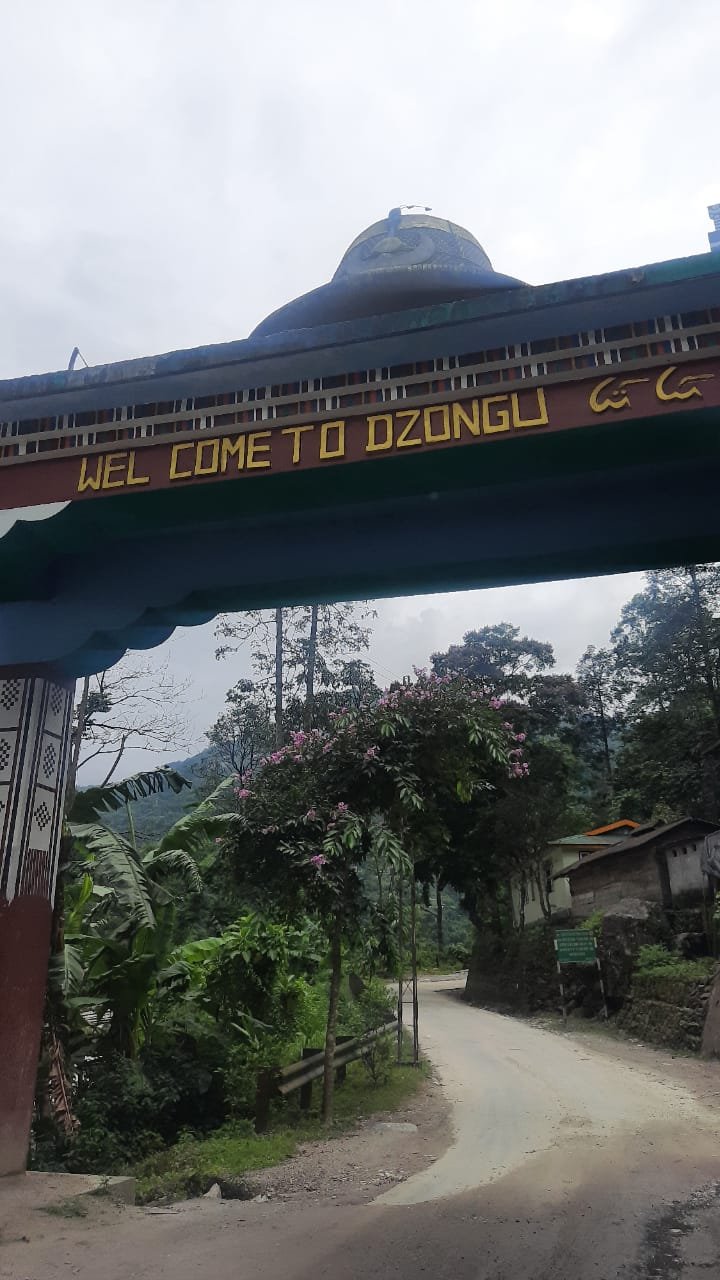
Dzongu and the village of Passingdang, North Sikkim, India
This project documents the specific ritual practices of the Mutanchi (Lepcha) community centred on the peak of Kongchenchyu/Kangchendzonga and its associated warrior peaks. The documentation focuses on the oral histories that explain the mountain’s origin, significance, and reverence within the community, as well as the detailed procedures of the rituals performed for these sacred summits. The project is essential for preserving the etiological beliefs and sequestered ritual practices tied to Kangchendzonga’s warrior peaks, which have been overshadowed by dominant regional religions such as Buddhism. By recording nomenclatural details, ritual sequences, and associated oral traditions, the documentation safeguards a distinct indigenous spiritual heritage that risks erasure, ensuring its transmission to future generations.
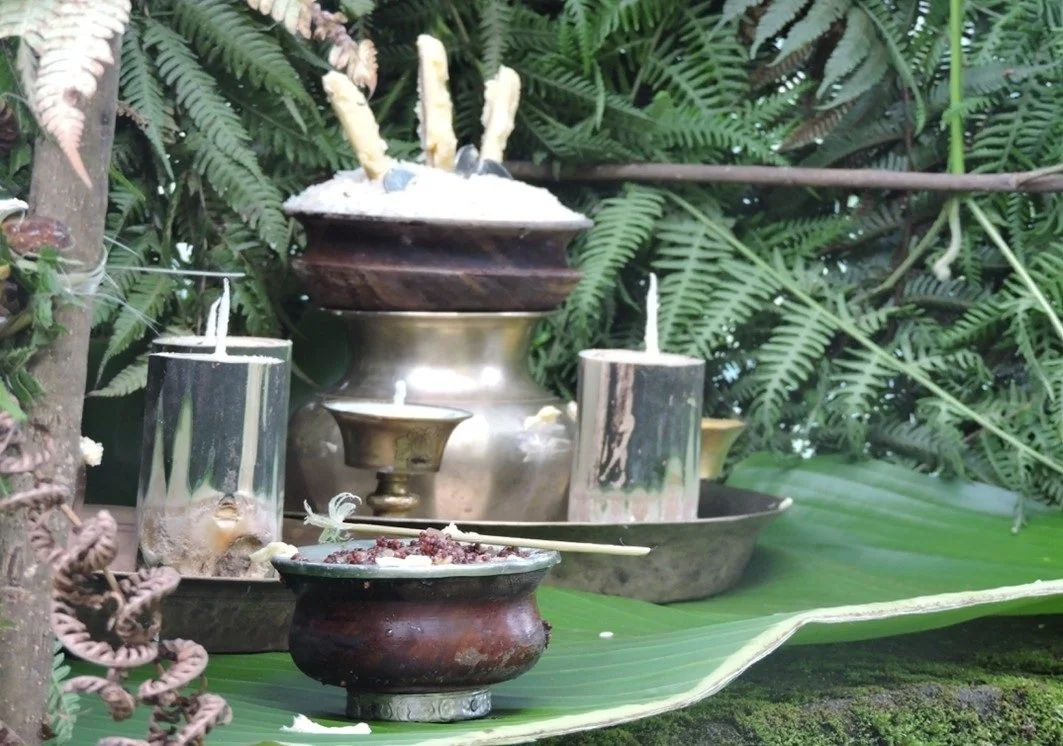
A temporary altar (Chomchu, symbolizing Longchok or three monoliths) set up along with Chi-phut (a millet offering) in a Sungkyo (wooden bowl). (Photo taken at Nooth Kung, Sangdong, North Sikkim.)
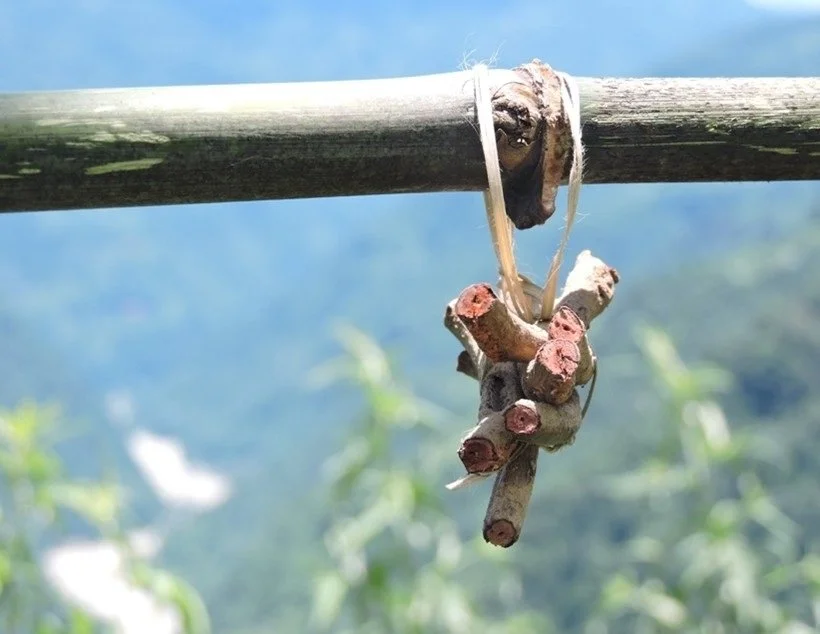
Vyom, a red dyeing agent which is offered to the Ruums (gods) to enable bartering in the plains and to ward against the contracting of any diseases there. (Photo taken at Nooth Kung, Sangdong, North Sikkim.)
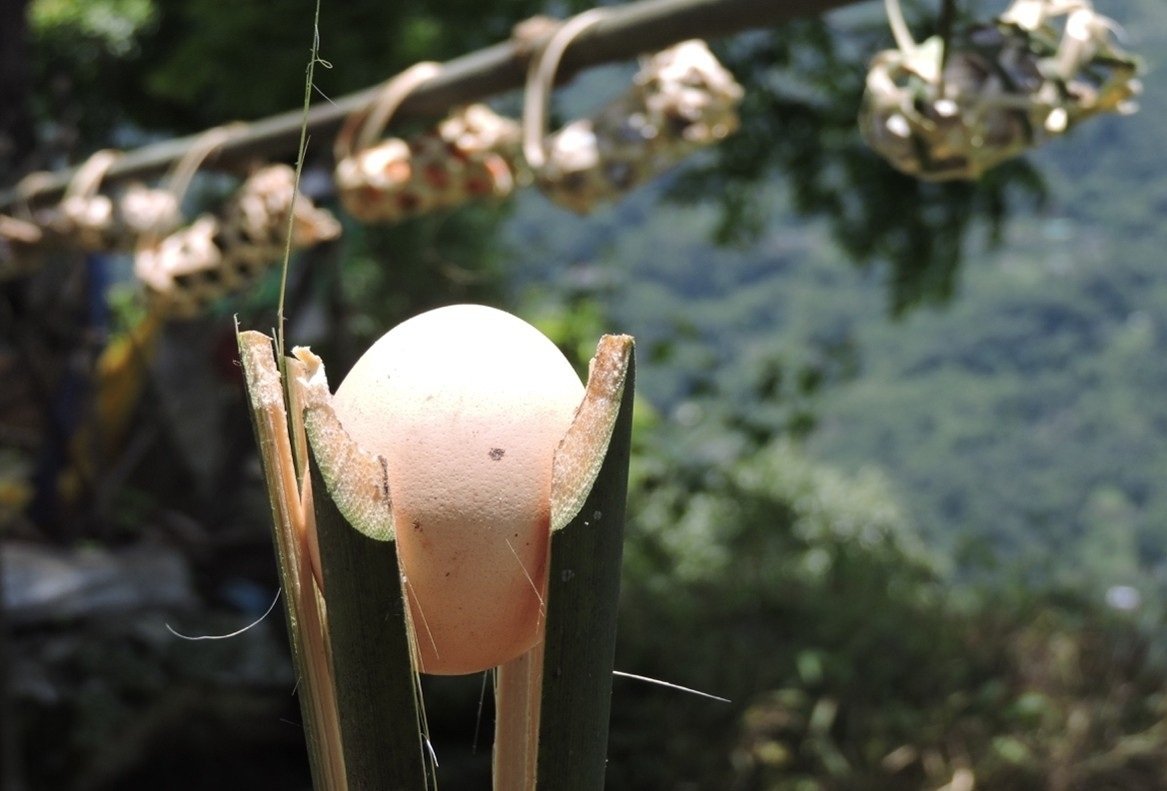
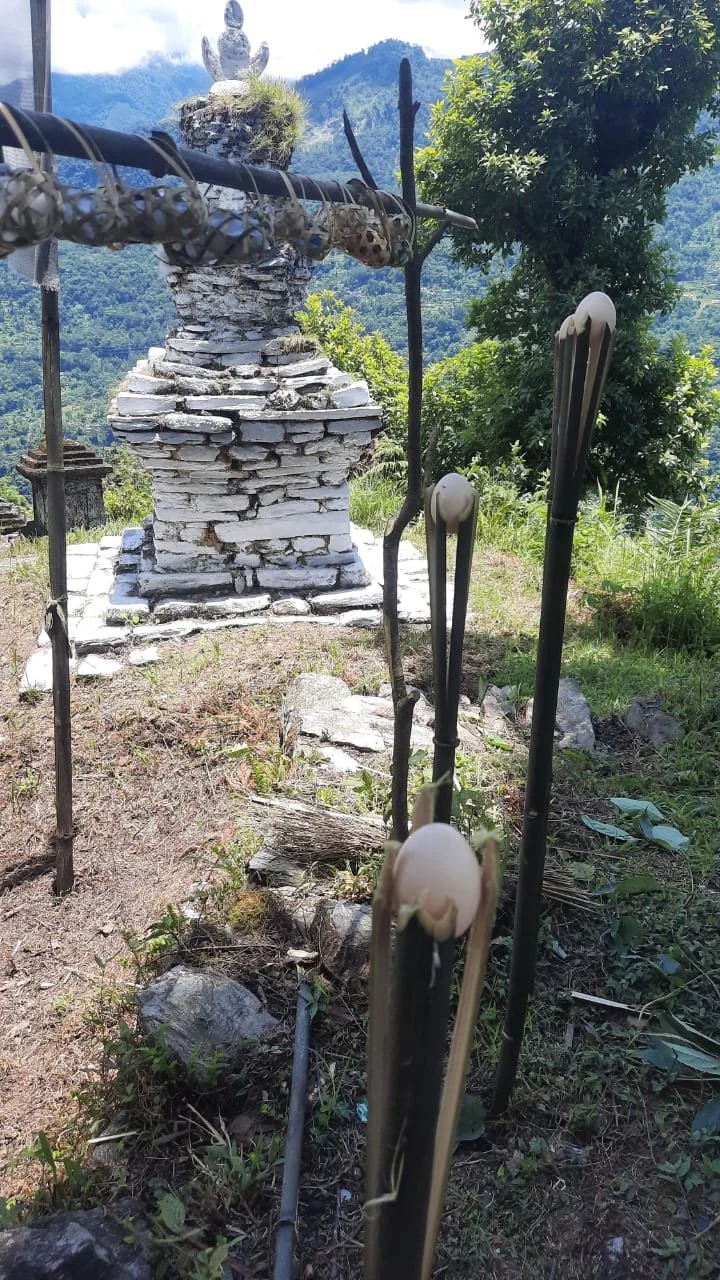
Ruvi-Kyon/Ruma-Kyon, an egg is brought by each family residing in the village to conduct augury (divination). (Photo taken at Nooth Kung, Sangdong, North Sikkim.)
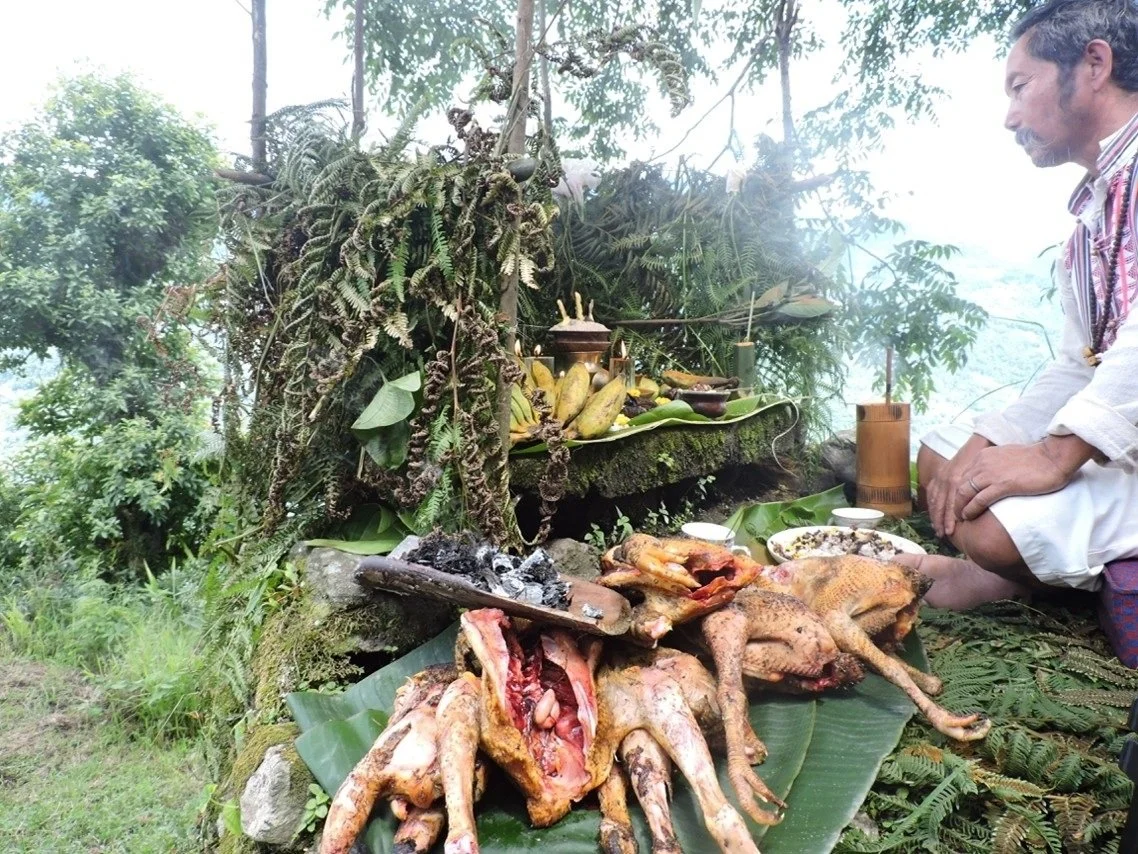
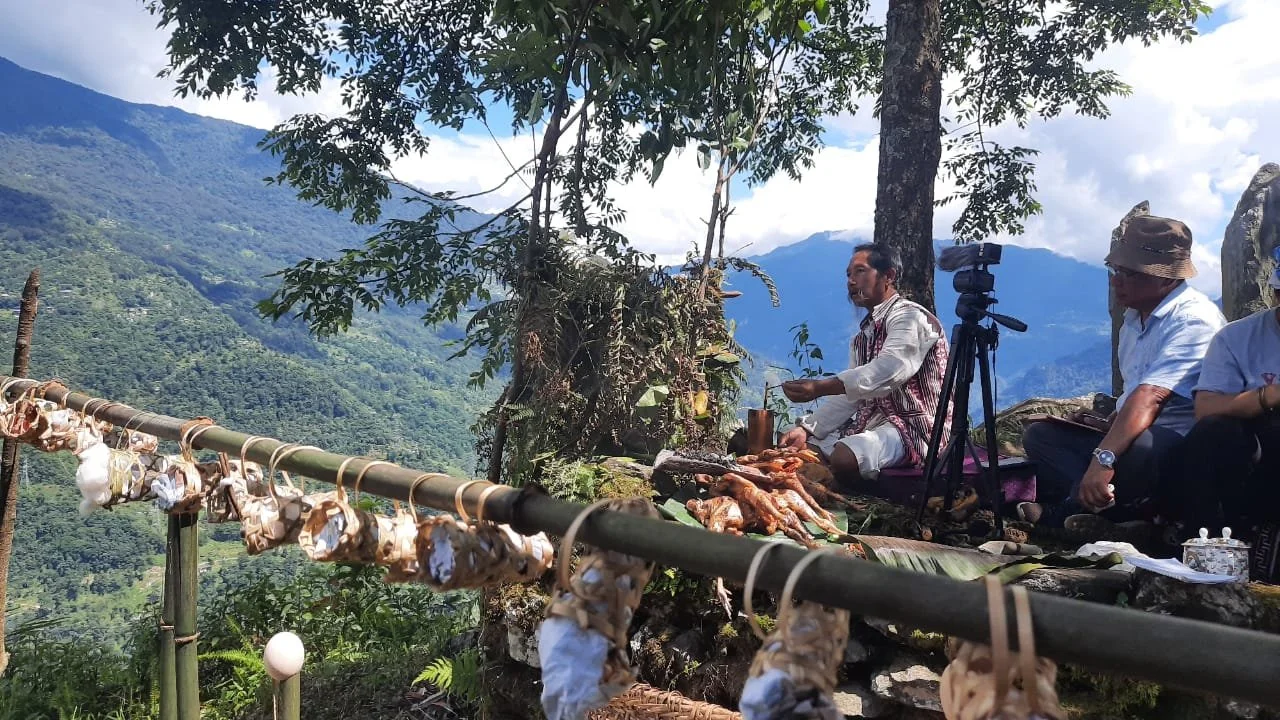
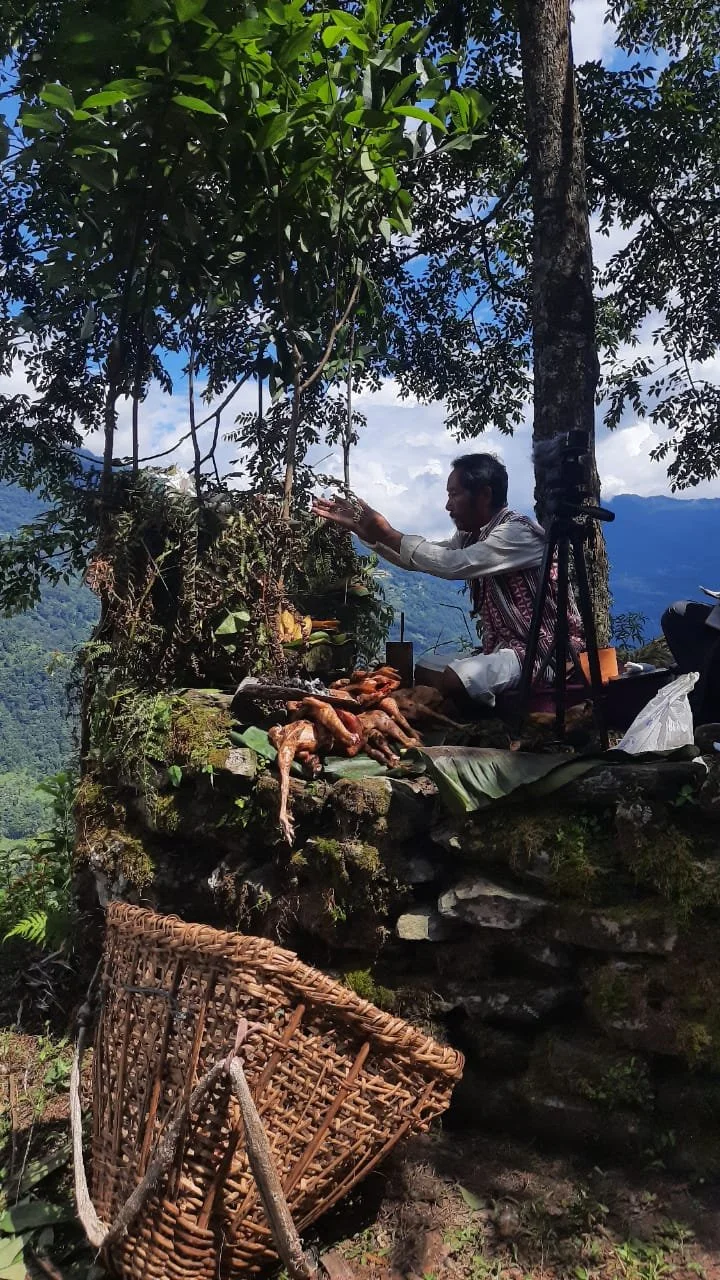
Tshering Lepcha (bongthing, or shaman) making various offerings like Lumbu-Lumsong Gujuk Gyakap (primarily a chicken offering) to Lungzyi (protectors of nature). (Photo taken at Nooth Kung, Sangdong, North Sikkim.)