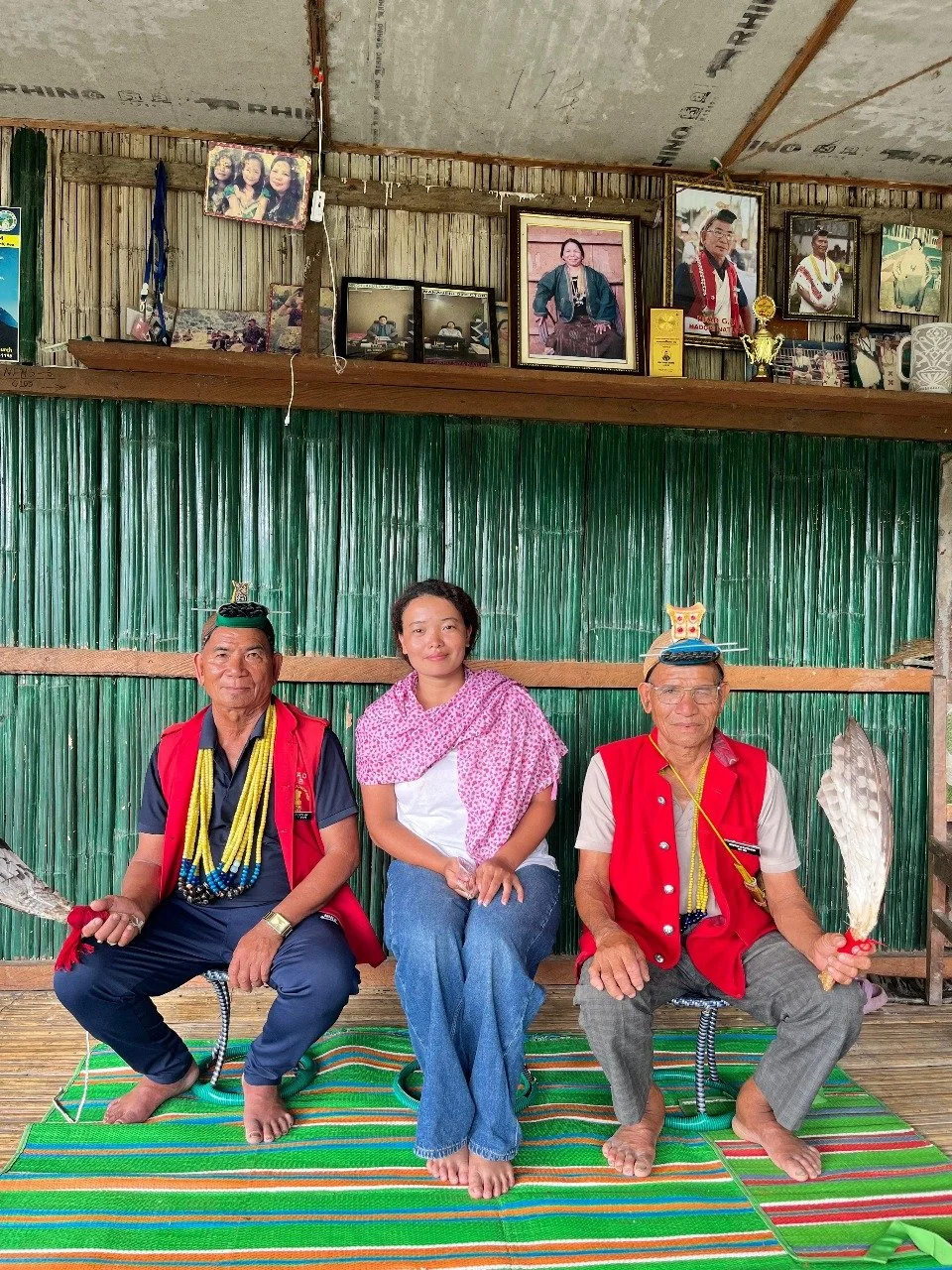
Roni Natung
Man’s Oldest Companion: The cultural and spiritual significance of dogs in the Nvsvng (Nyishi) community
Nvsvng (Nyishi), Sede, Palin, Veo, Lumdung and Seba village
Papu Valley, East Kameng and Pakke Kessang Districts, Arunachal Pradesh, India
This project documents the oral histories and traditional narratives concerning dogs in the Nvsvng (Nyishi) community. It examines the symbolic and functional roles of dogs, from their links to ancestral myths and spiritual beliefs to their contributions to hunting, guardianship, and subsistence. A core focus is the principle of reciprocity: the mutual bond between dogs and owners, and the broader role of dogs in sustaining reciprocal sharing as a foundational element of Nvsvng social structure.
In Nvsvng society, dogs are far more than pets—they are loyal companions, protectors, providers, and integral household members embedded in oral histories, myths, rituals, and cultural practices, symbolizing strength, loyalty, and survival. However, this profound human-animal relationship is rapidly declining due to shifting livelihoods (from hunting of wild animals to their conservation), diminishing value of local hunting breeds adapted to rugged terrain, and loss of indigenous dog varieties through crossbreeding. As traditional canine roles fade, the reciprocal practices they reinforced, which were central to community cohesion, are also eroding. Documenting these narratives and relationships is urgent to preserve a vital, vanishing strand of Nvsvng cultural identity before it disappears entirely.
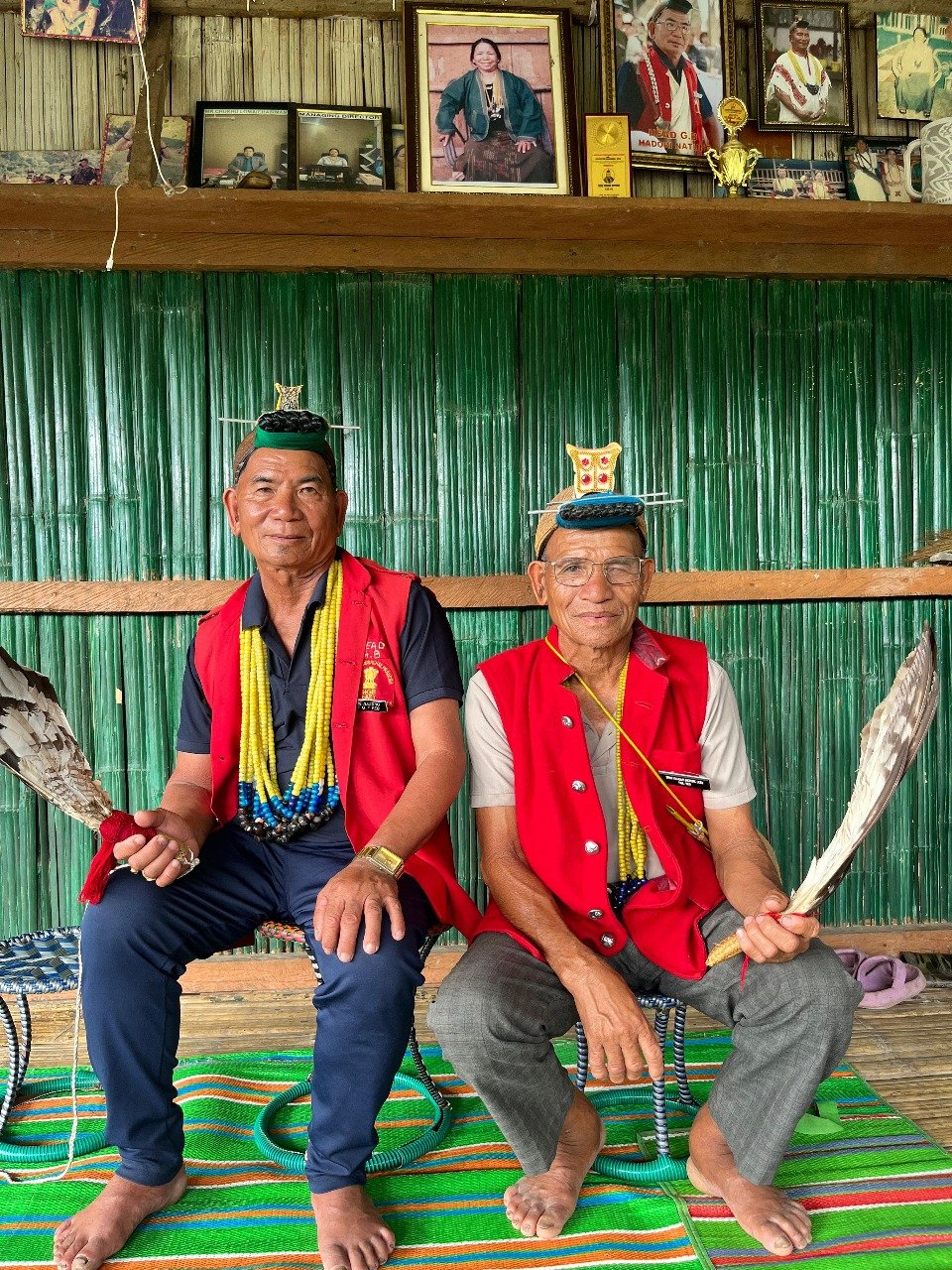
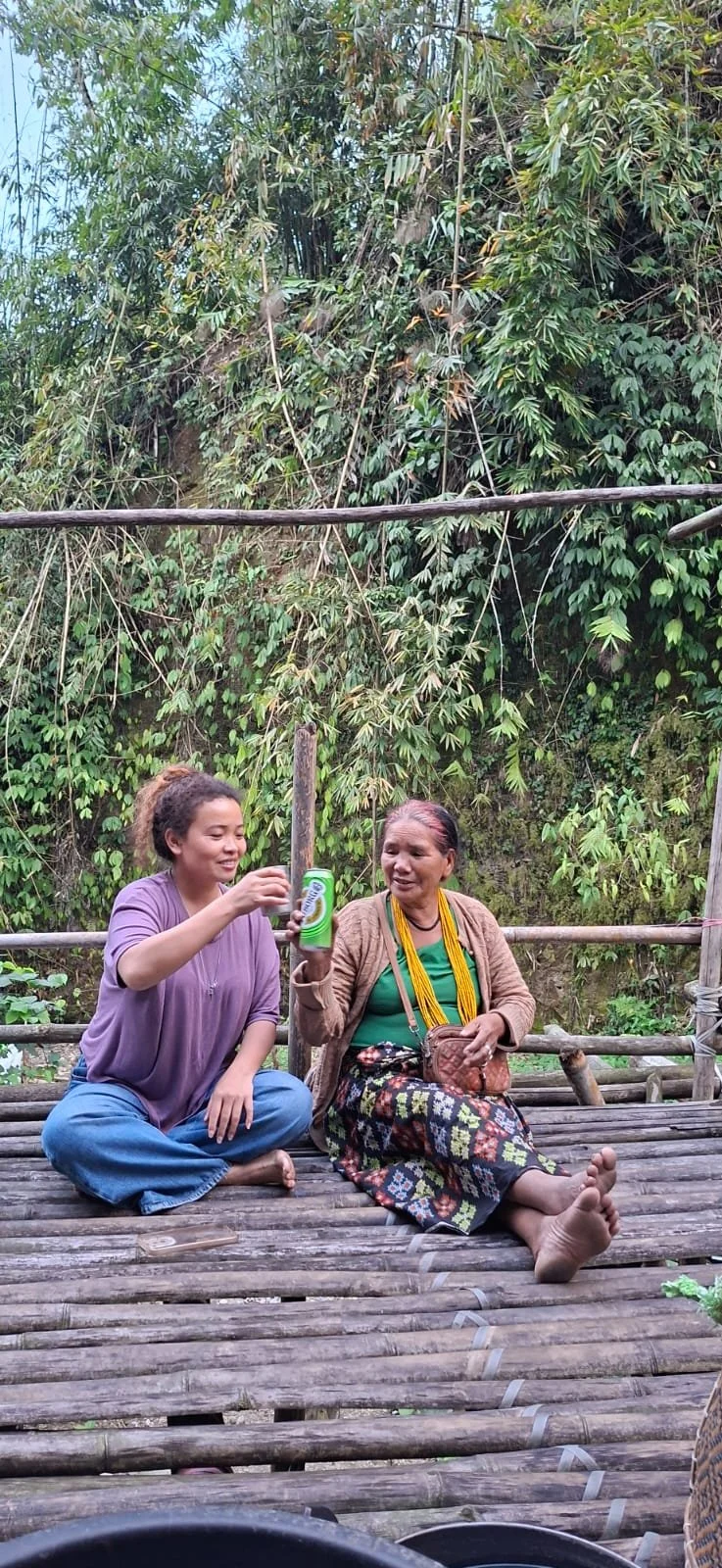
Haduri Natung and Nyakam Natung narrating the story about the dog which emerges as the earliest and closest companion of human beings. It is remembered not only as a rescuer and protector, but also as the bearer of the first rice seed, linking humans to cultivation and sustenance.
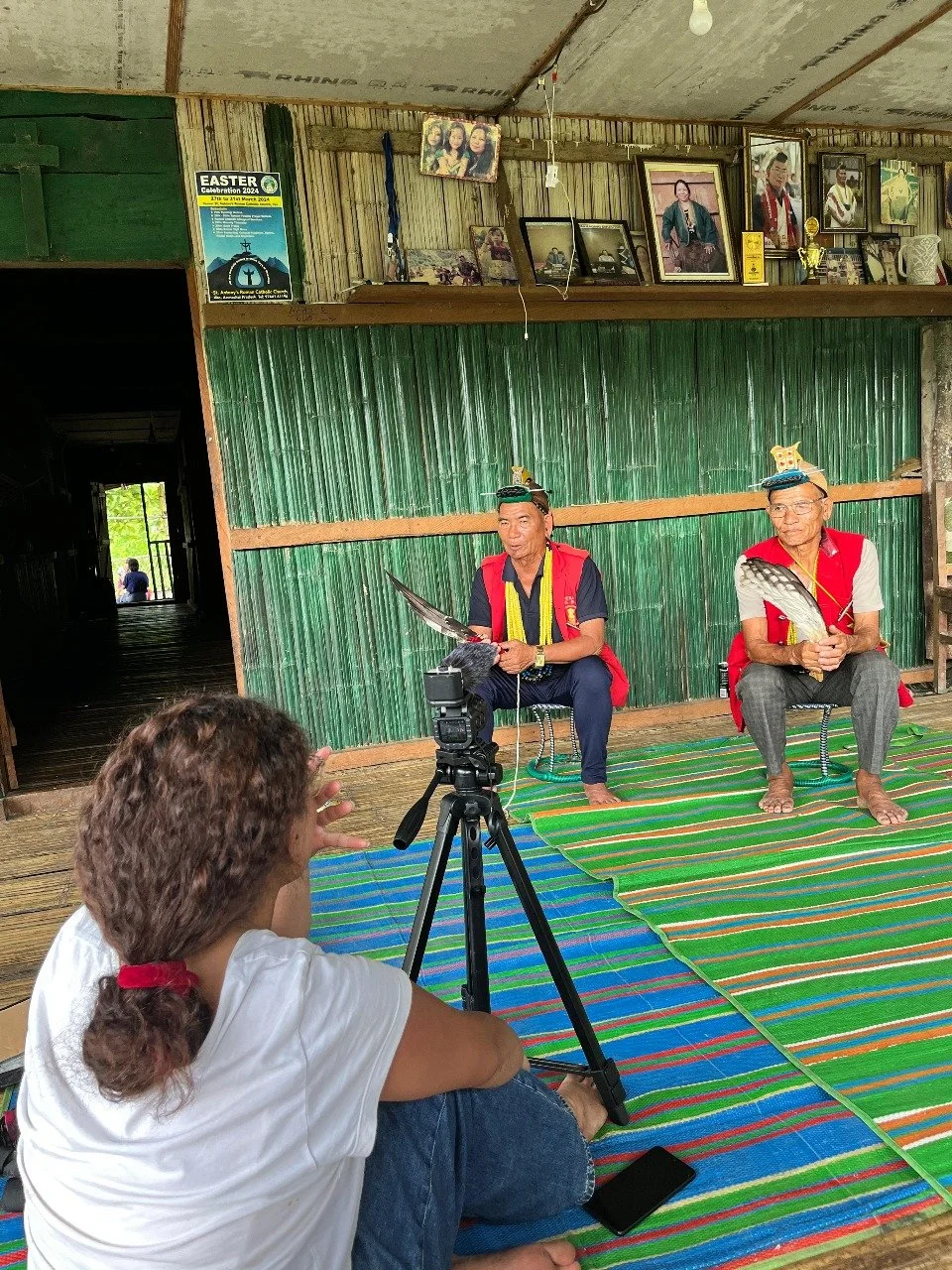
Haduri Natung and Nyakam Natung narrating the story, which is not just a mythological tale, but also a funny story that kids used to listen to as entertainment before the village had internet connection and a time when elders were the storytellers. Here, both narrate the story and recall a time when the dog and the deer were cousins and companions. However, in the end, they quarrel and both part ways. The end of the story justifies and gives reason as to why the dog and the deer are still hostile to each other in soruk "haunting".
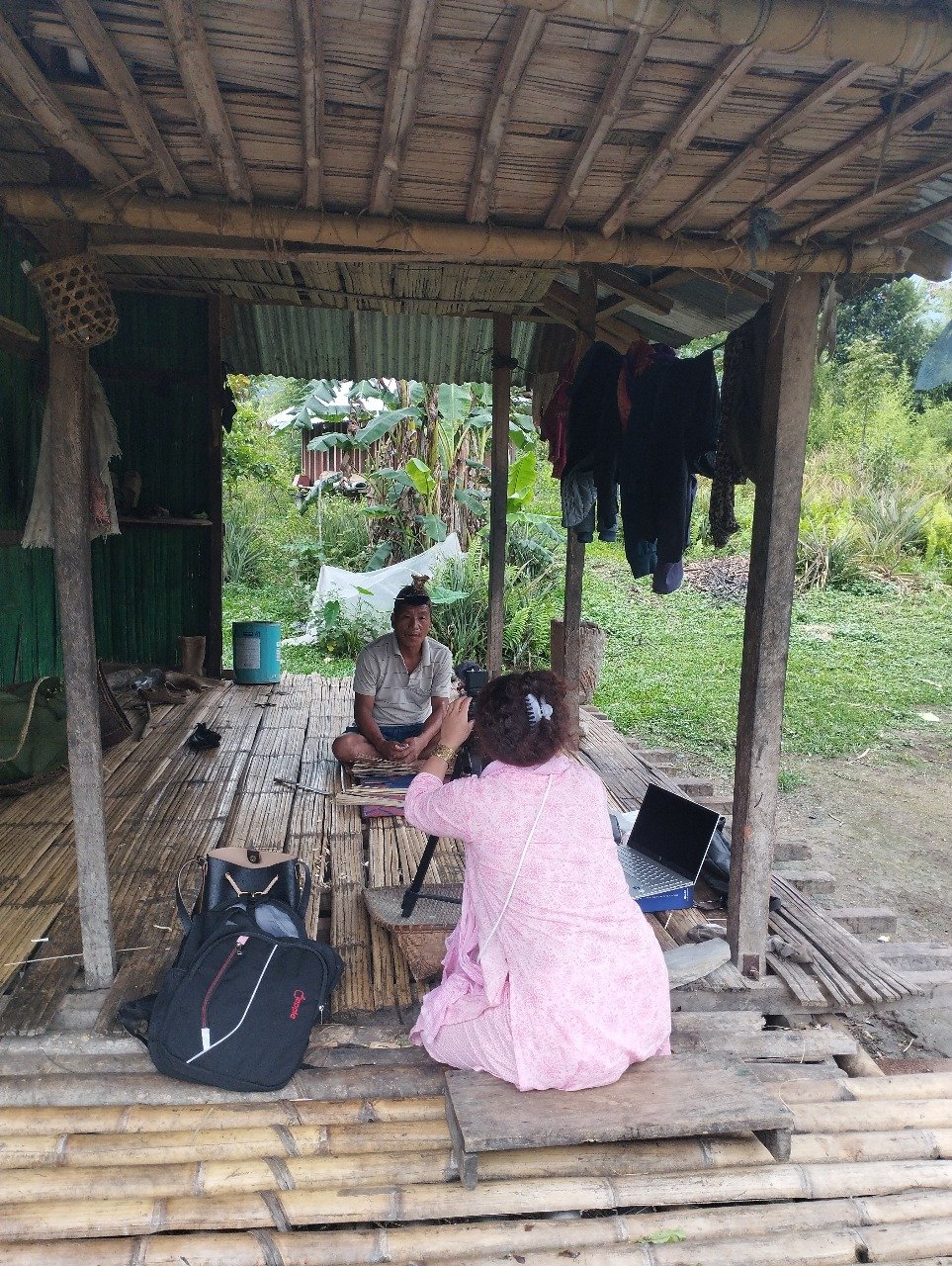
Ahu Mani, a skilled hunter according to villagers, speaking about the role of the dog in the forest during hunting time. Sometimes, the dog would often stay in the forest for weeks.
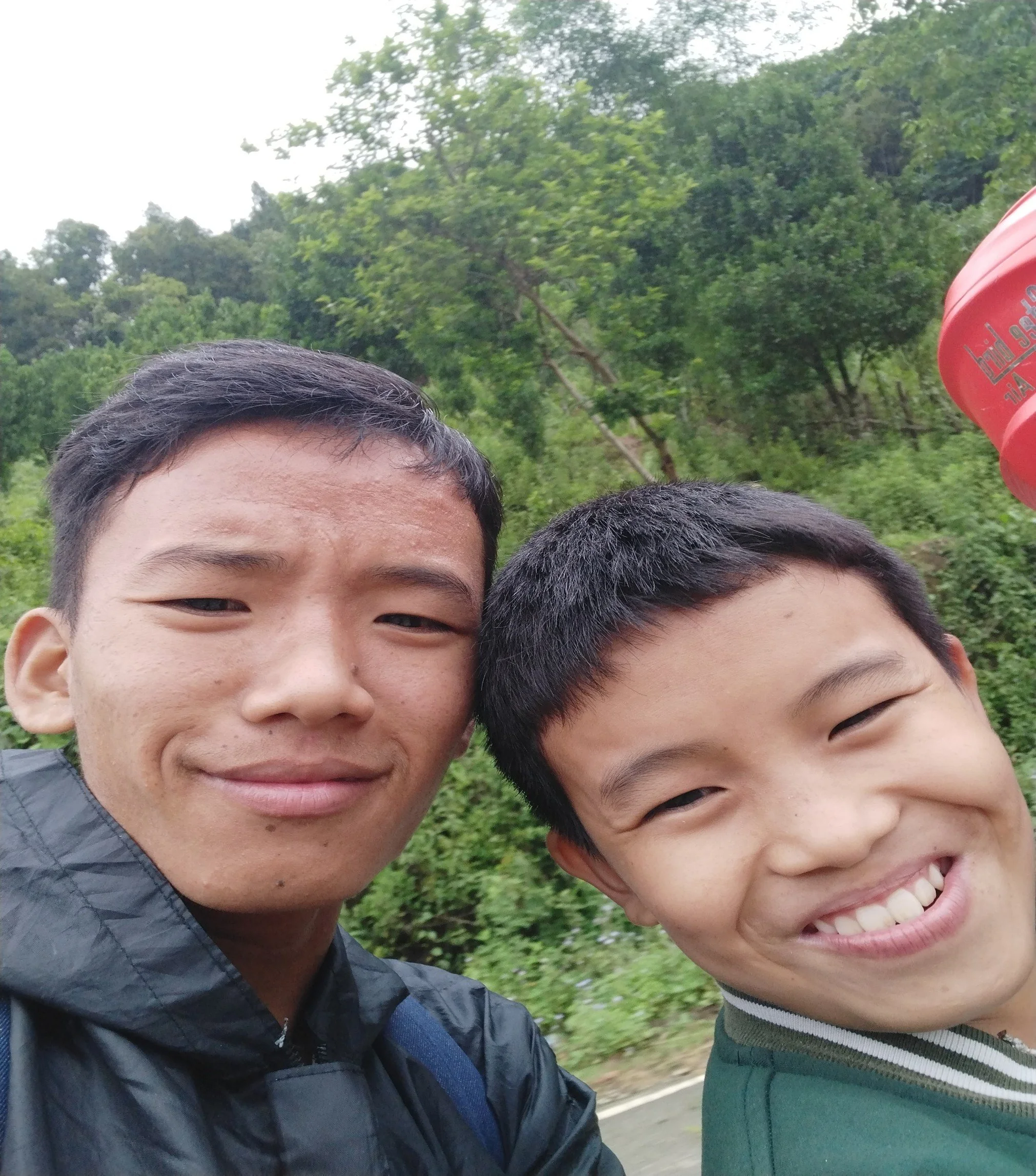
Reghe and Polo, the two young gentlemen, who were the cameramen for the field visit, captured all the pictures of this project.