
Gora Kame
Dekam Pwching Mvnam:
The vanishing tradition of indigenous Nyishi pottery making in Kra-Daadi District, Arunachal Pradesh
Habu Kamrung village (Gangte Circle) and Meching Kamrung village (Chambang Circle)
Kra-Daadi District, Arunachal Pradesh, India
The craft of pottery, known as Dekam Pwching Mvnam, represents a vanishing indigenous skill of the Nyishi tribe of Arunachal Pradesh. Its significance extends far beyond utilitarian functions: it embodies deep connections to myths, folksongs, stories, and traditional knowledge systems that reflect the intricate relationship between the Nyishi people and nature. This project aims to revive the tradition of pottery making among the Nyishi, a practice which has disappeared over the past decades. By documenting the techniques, associated mythology, folksongs, stories, and other traditional knowledge, the project will trace its cultural origins, highlight this endangered craft, and contribute to its understanding and preservation.

Habu Tapung, a traditional knowledge holder from Chakbang village, Kra-daadi district, Arunachal Pradesh, at a camera focus, where he is narrating about the creation of /dekam/ clay where /dekam pwchi/ is made.

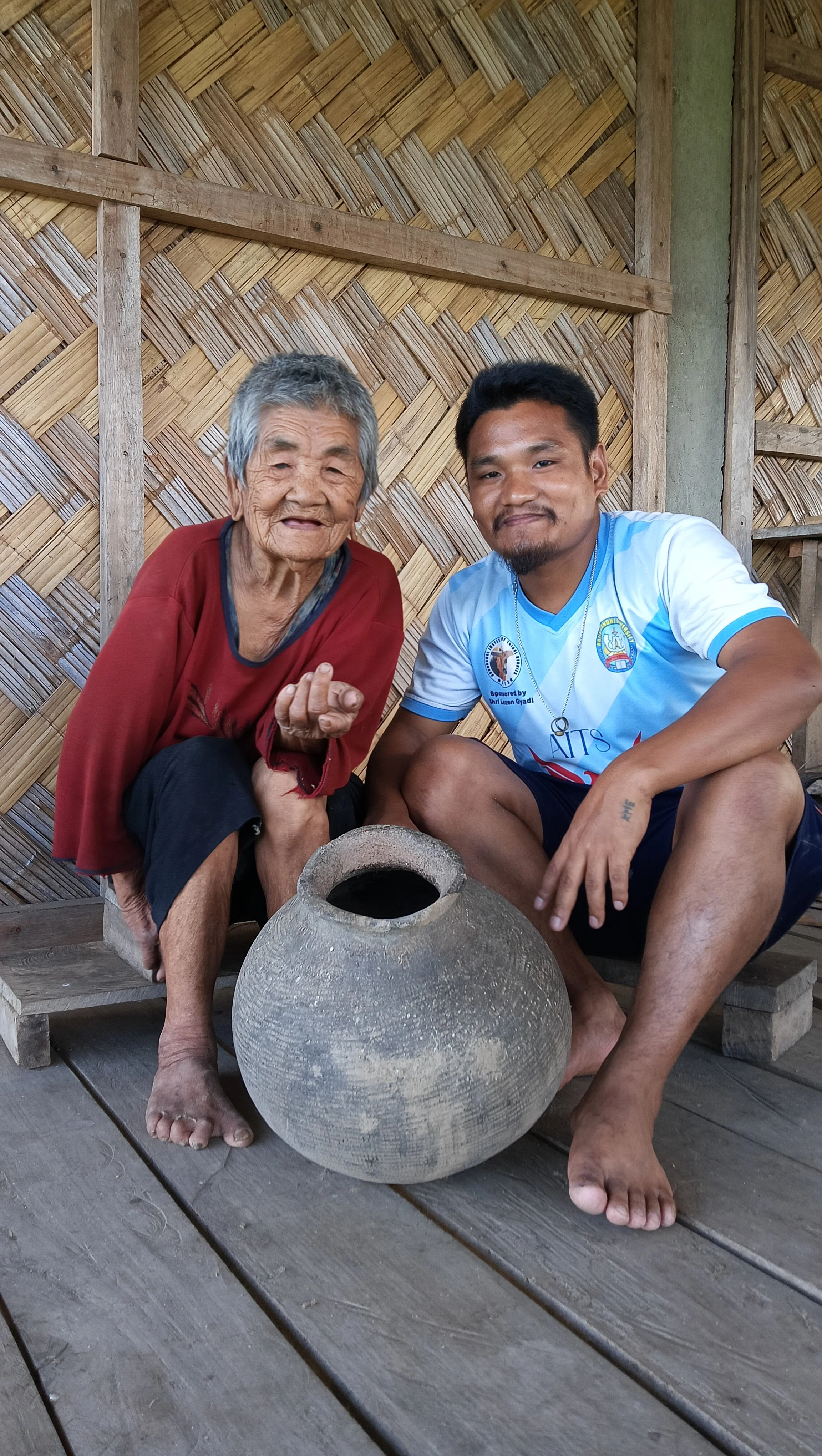
This /dekam pwchi/ is a clay pot that is made only for regular cooking foods and used in family commonly. (Photo taken at Kamrung village, Kra-daadi district, Arunachal Pradesh)

In this Kamrung village, many remains are unearthed while searching for clay spots. It's also evidence that /dekam/ was used in this village in the past. (Photo taken at Kamrung village, Kra-daadi district, Arunachal Pradesh.)
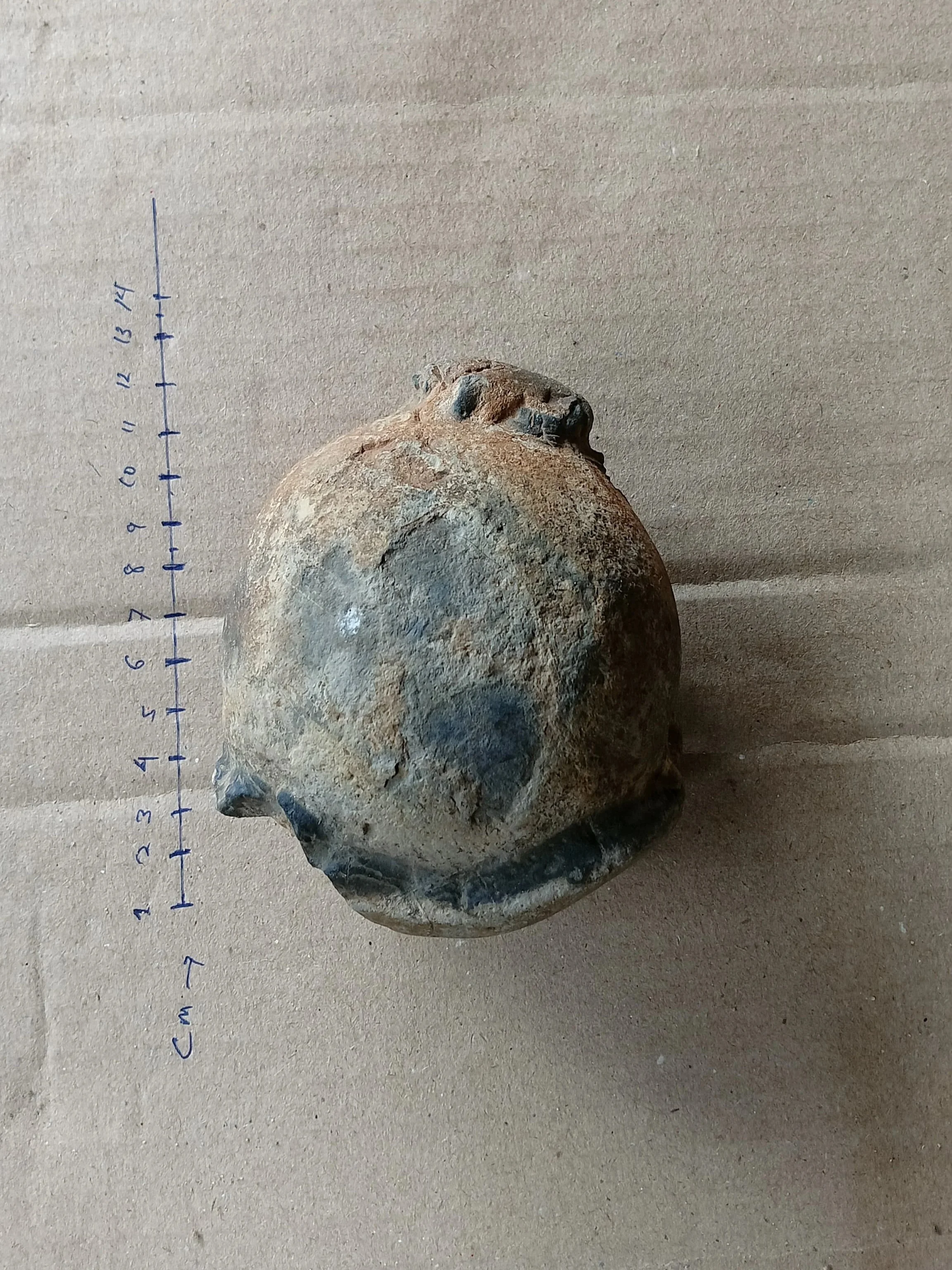
This small and round stone from the river is used to shape the pot from the inside by beating and hitting the wall of the pot while it is being shaped. This is called /khamping/ or /langping taling/. This pebble is an older pebble; its outer layer of stone has been cut off due to hitting. A pebble this size is used for making a common size pot (2-3 litres) or a slightly bigger pot known as a /changping/. (Photo taken at Giba vllage, Kra-daadi district, Arunachal Pradesh)
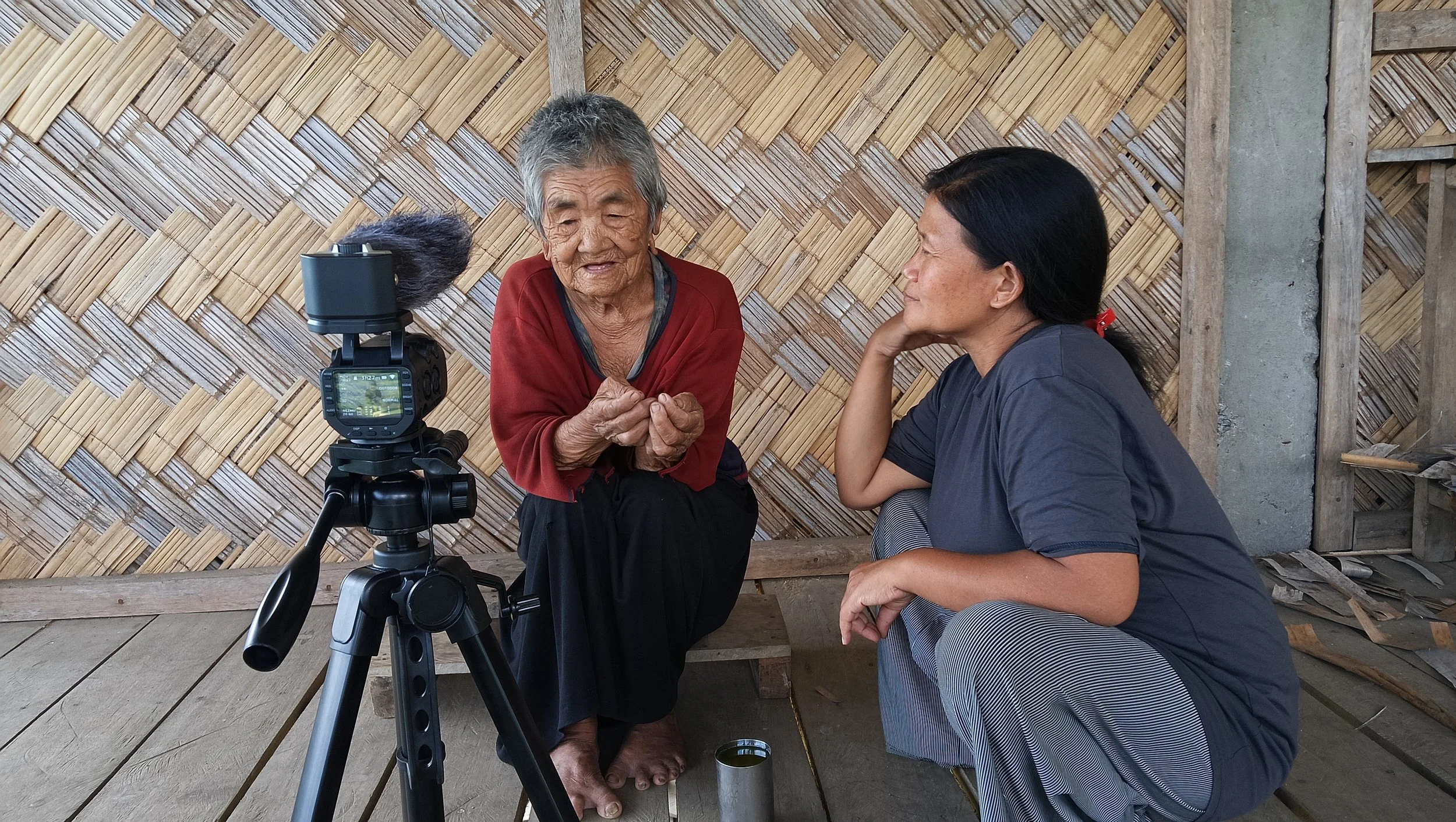
This is one of the pottery artists who is narrating the story of /dekam pwchi/.
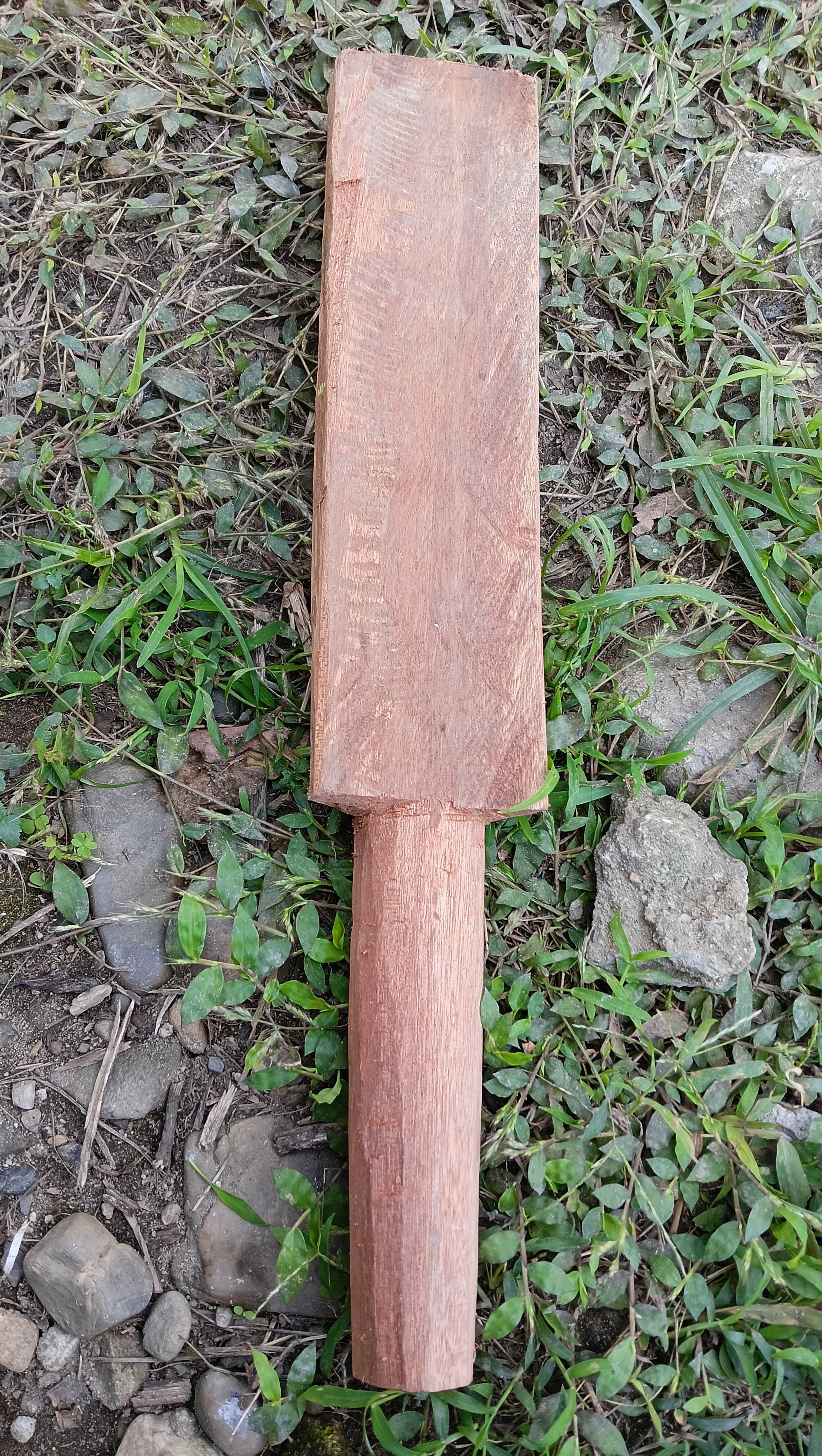
The /dapo/ is a tool used to prepare or season the harvested /takam/ clay. It is used for smoothening and separating stone from clay.
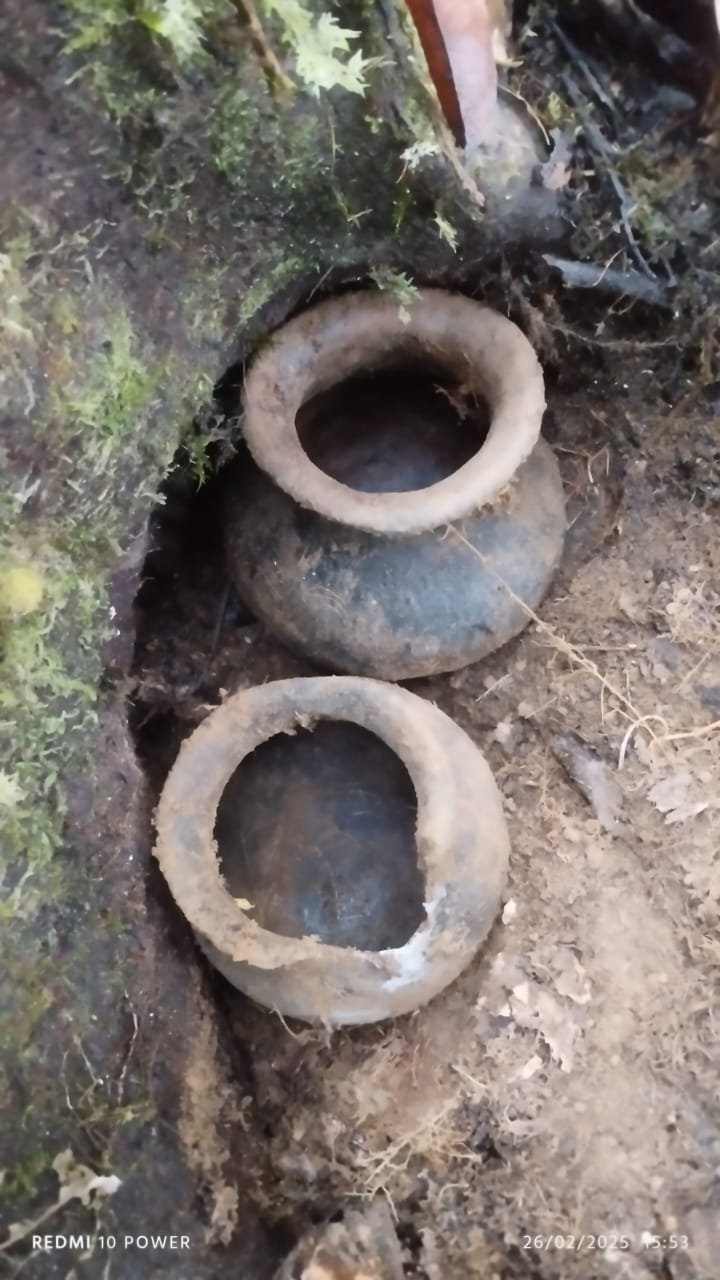
These are two /dekam pwchi/ that have been unearthed from the jungle. They were used to store Nyishi ornaments.
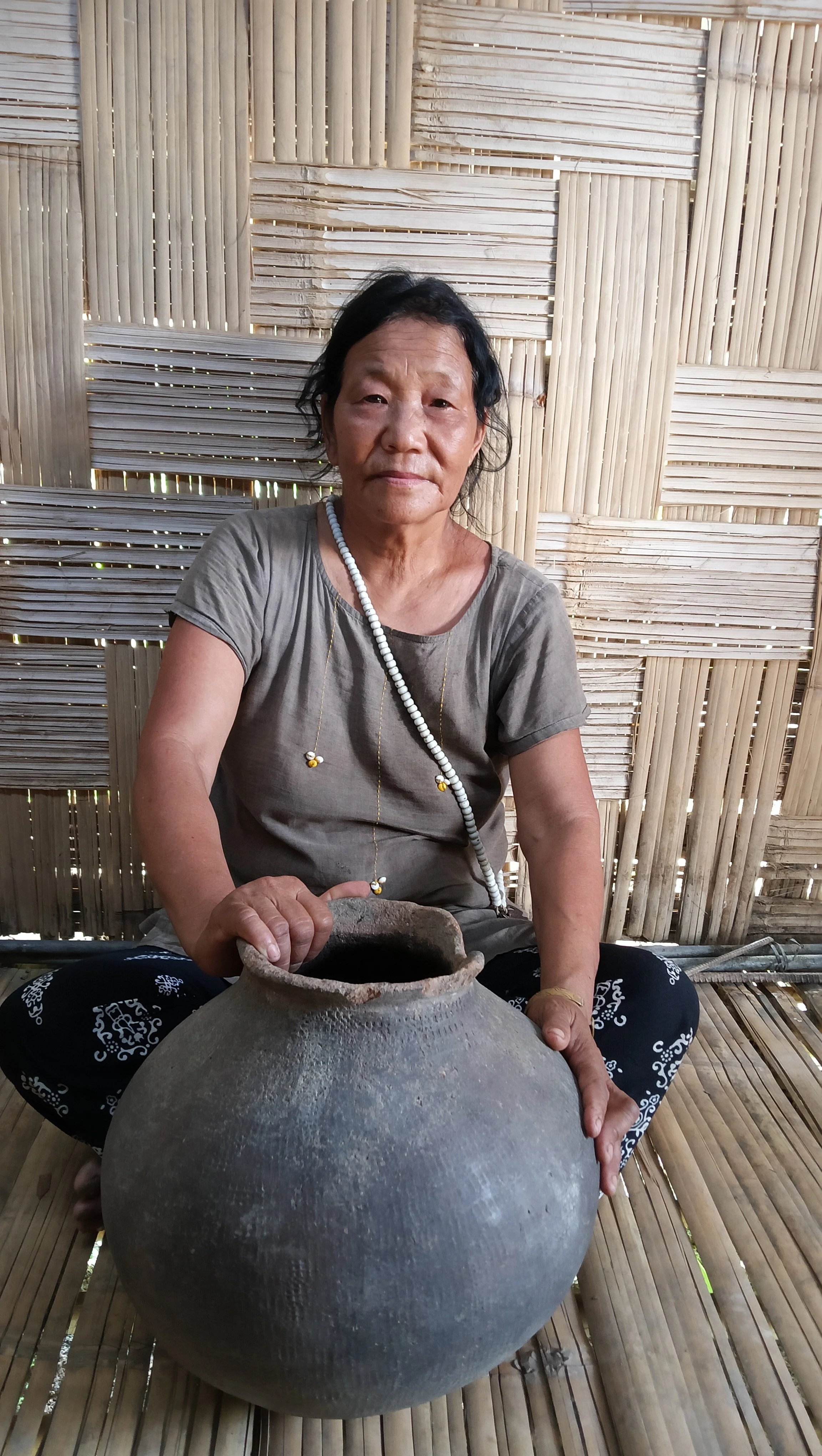
Popar is a special /dekam pwchi/ (clay pot) which is used for keeping and preparing alcohol.
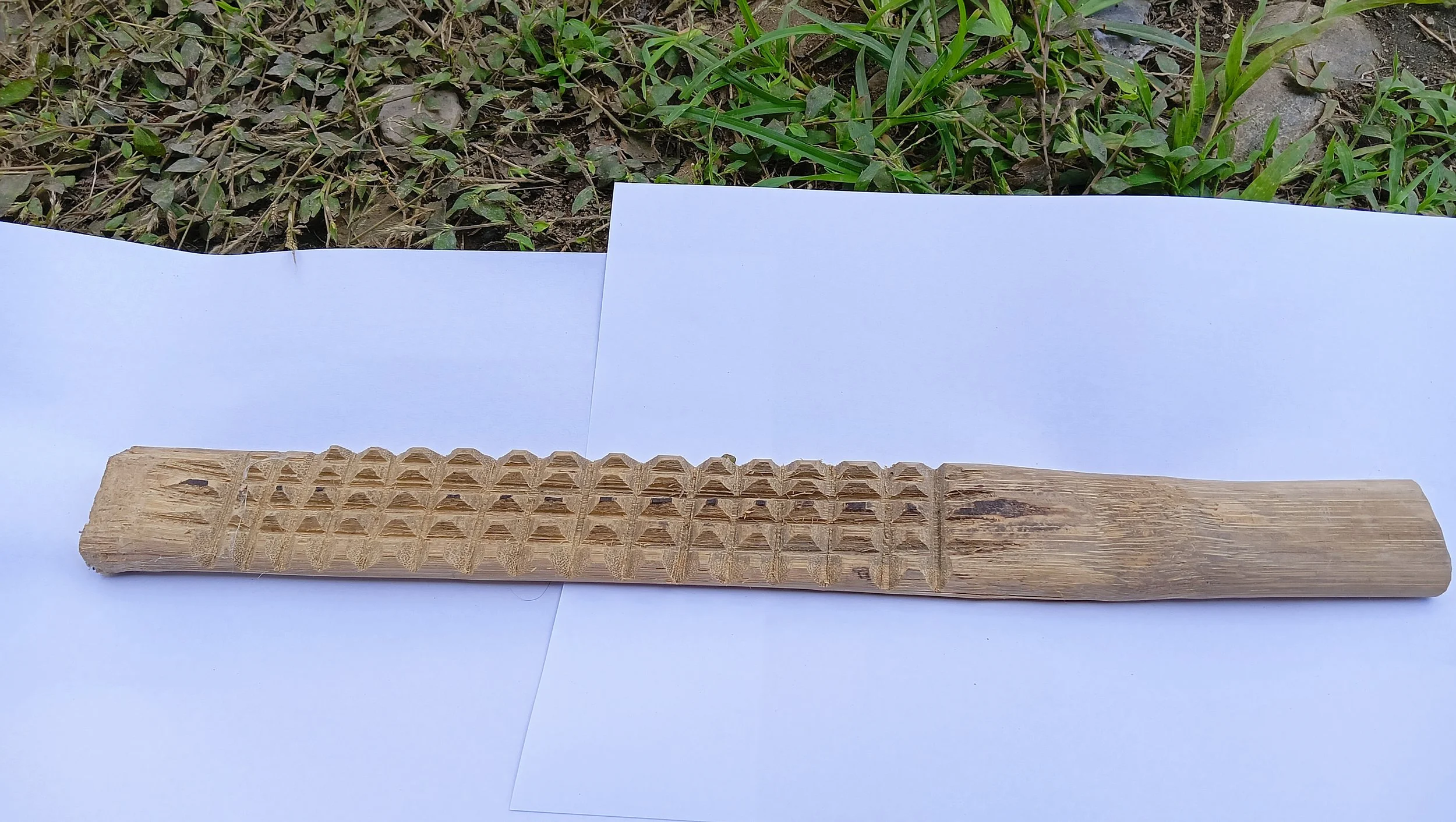
The /kamgi/ is a traditional tool used in Nyishi pottery to flatten the surface of clay pots that gives the specific design and traditional uniqueness and identity. The /kamgi/ is used in conjunction with a round stone or other simple implement to smooth and flatten the exterior, creating distinctive cord-impressed designs.
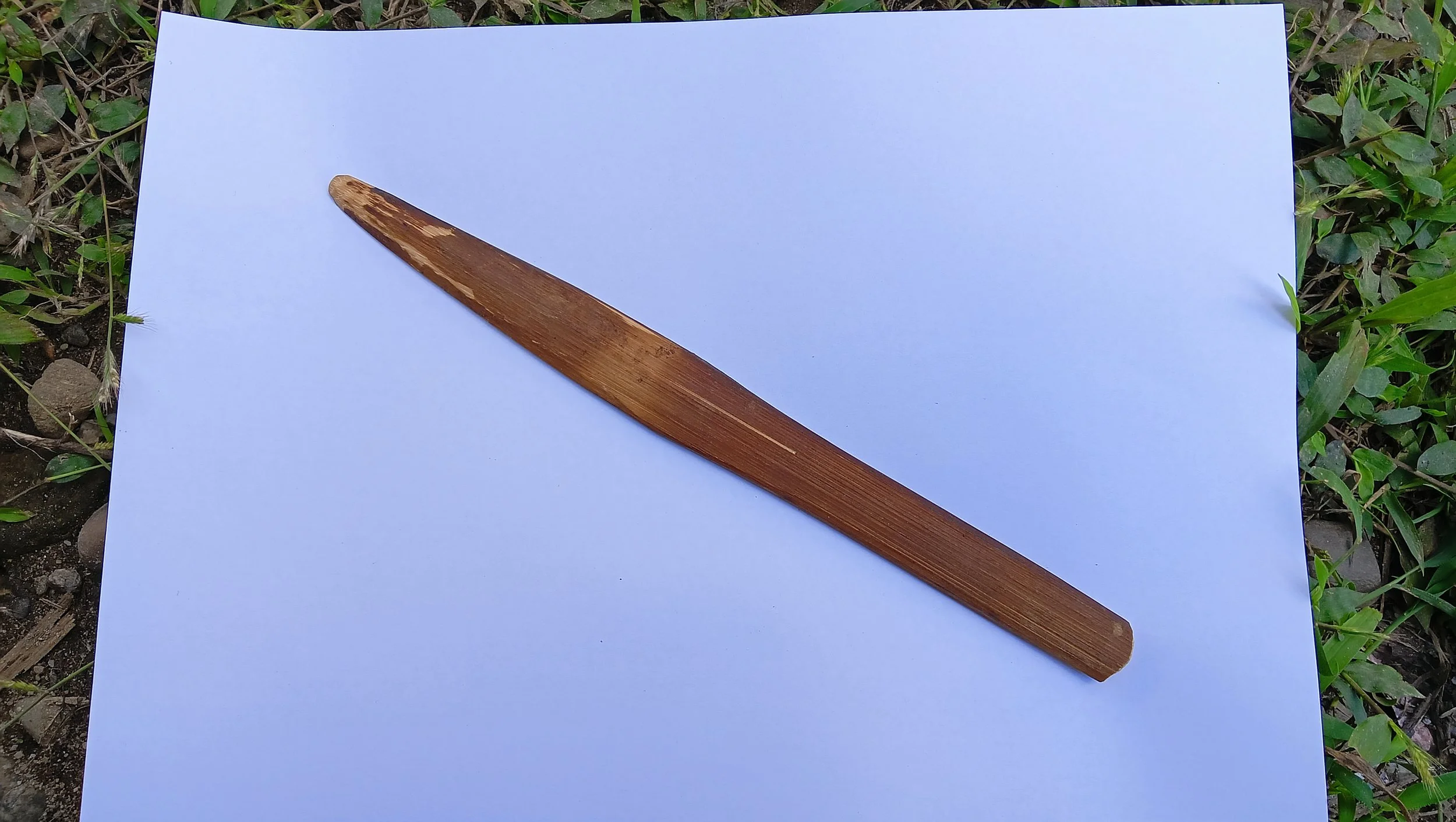
/Kampi/ (sometimes called /talumpie/) is a wooden tool the size of a small kitchen knife. It is used for opening the pot lips in order to create a hollow.
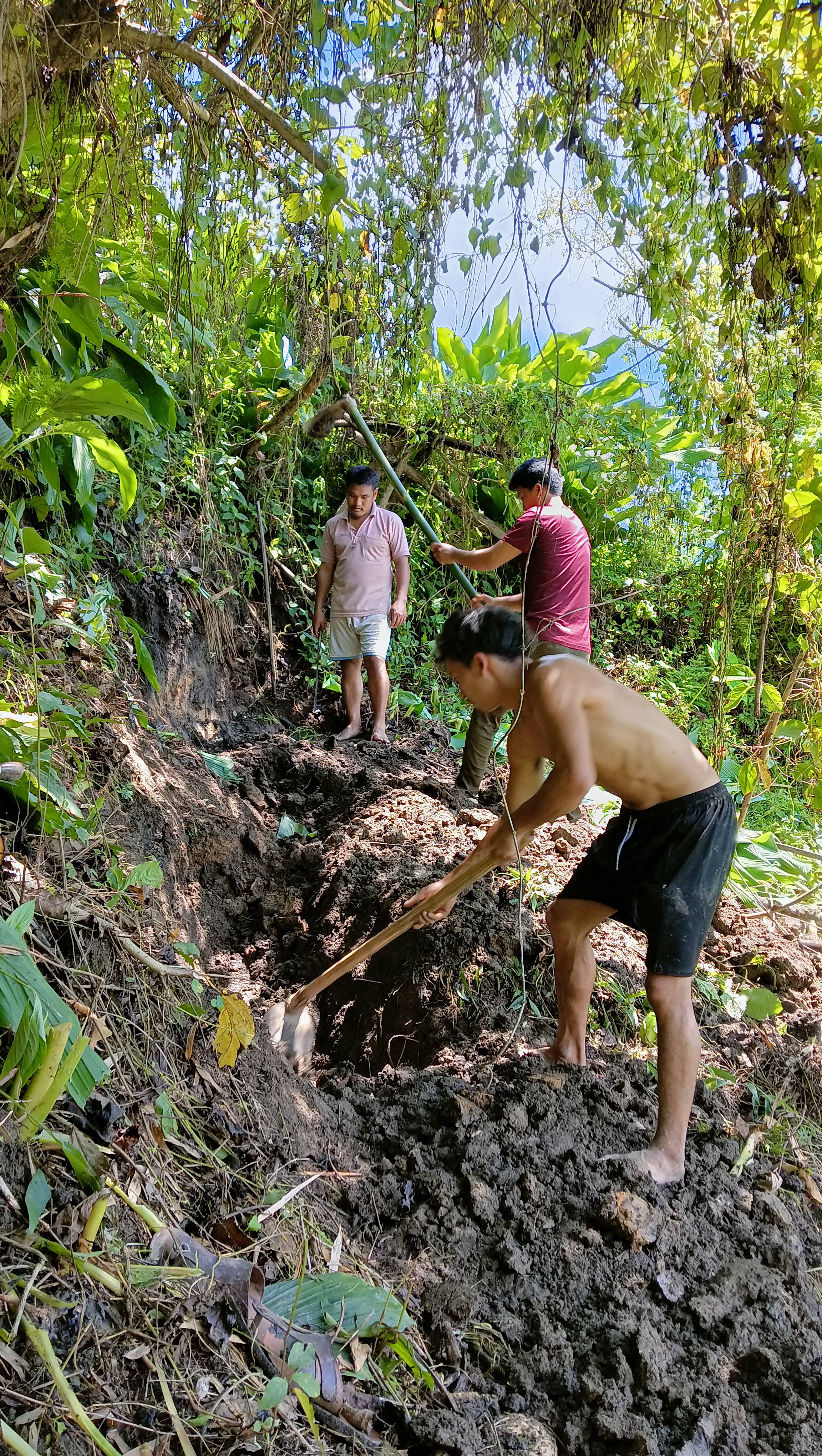
Kamrung is a special clay area where the clay used to make /dekam pwching/ pots are found. The people in the photo are: Habu Raja (right), Habu Tachuk (middle) and Gora Kame (left).
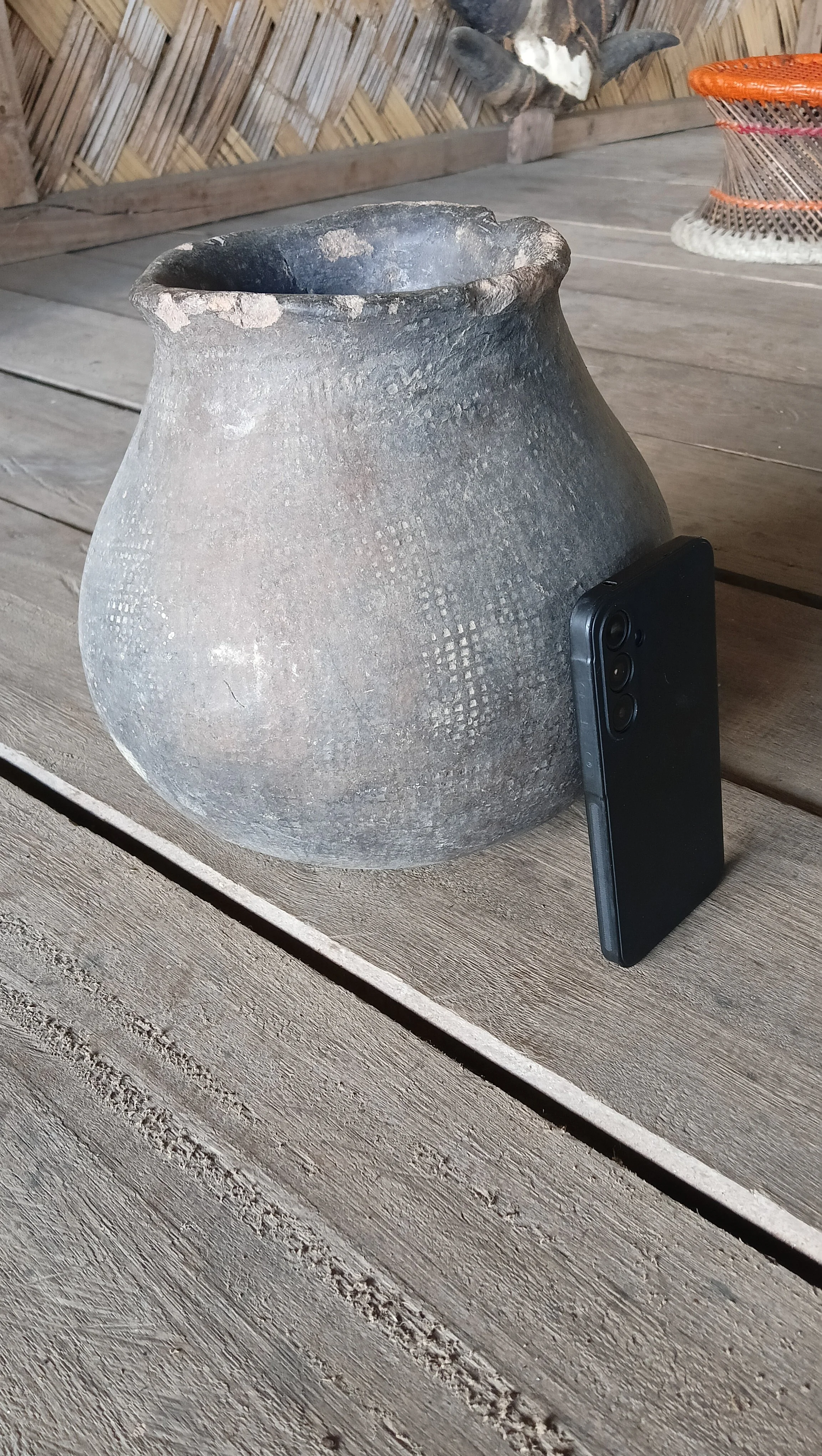
Comparing the size of the regularly used /dekam pwchi/ with a regular cell phone.