
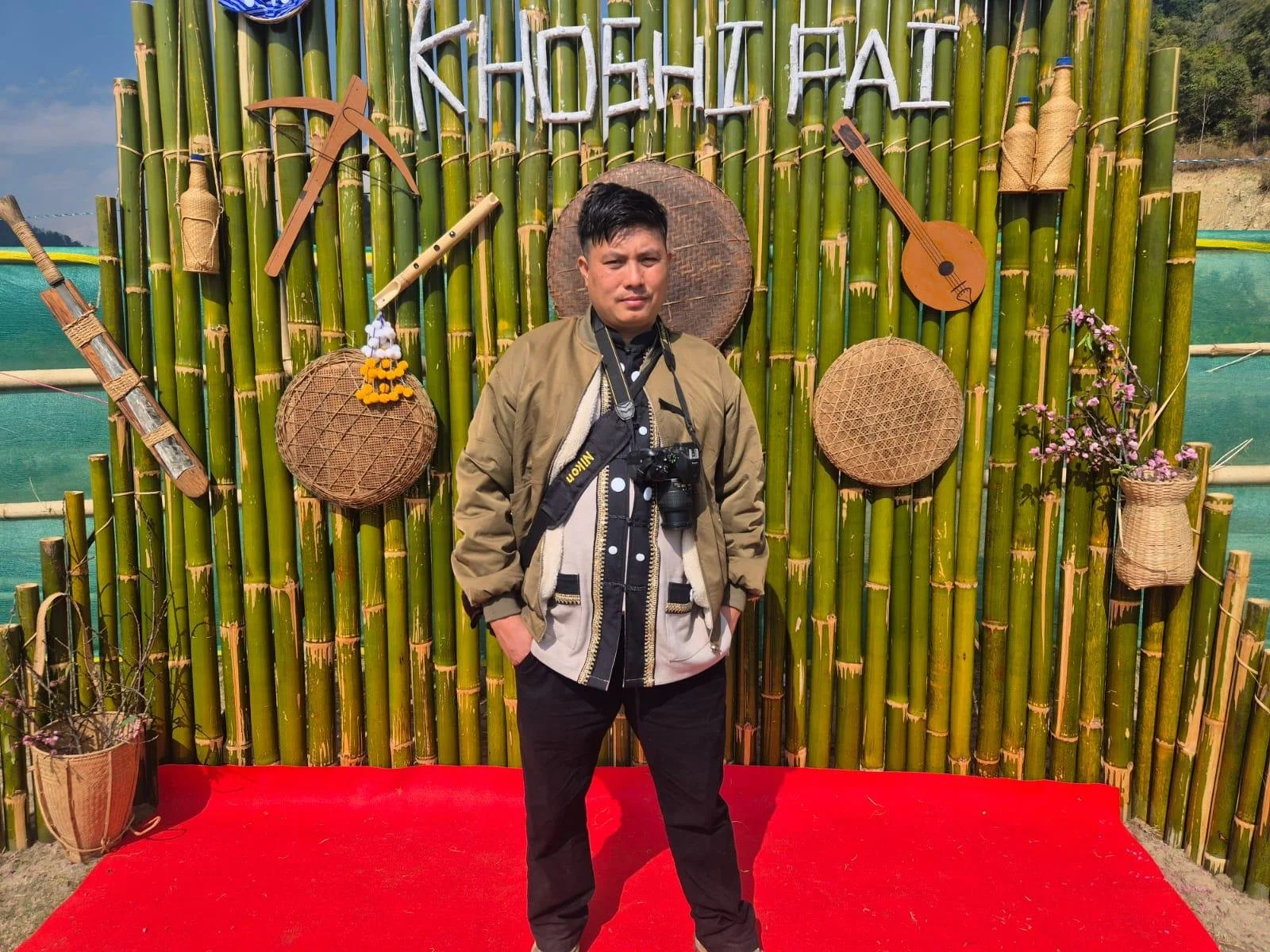
Jothisey Yobin
The use of Athee (tree fern) by Yobin (Lisu) community of Arunachal Pradesh
Lisu (Yobin) Community
Gandigram village, Vijoynagar Circle, Changlang District, Arunachal Pradesh, India
Jothisey’s FLICR+ Advanced Fellowship project (2024) focused on the traditional use of athee (tree fern) among the Yobin (Lisu) community of Vijoynagar. This documentation project presents a comprehensive account of the harvesting, processing, and utilization of tree fern as an important subsistence resource.
Historically, tree fern has played a significant role in the livelihood practices of the Yobin community, serving both as a source of food and as part of broader cultural traditions. The project was initiated in response to growing concerns within the community that knowledge related to the harvesting, preparation, and use of athee is rapidly declining as younger generations adopt new livelihoods and lifestyles. The primary aim of the project was to record and preserve intergenerational knowledge associated with the use of tree ferns as food, as well as the broader ecological knowledge related to forest use and sustainable harvesting practices. The resulting collection includes photographs, audio recordings, and video documentation of these practices. All audio-visual materials have been transcribed and translated into English.
This project not only captures the full sequence of activities associated with athee harvest but also preserves ethnobotanical knowledge into its making. In doing so, it safeguards an important cultural heritage once widespread across the eastern Himalayan region, offering future generations a vital link to their ancestral knowledge, ecological wisdom, and cultural identity.
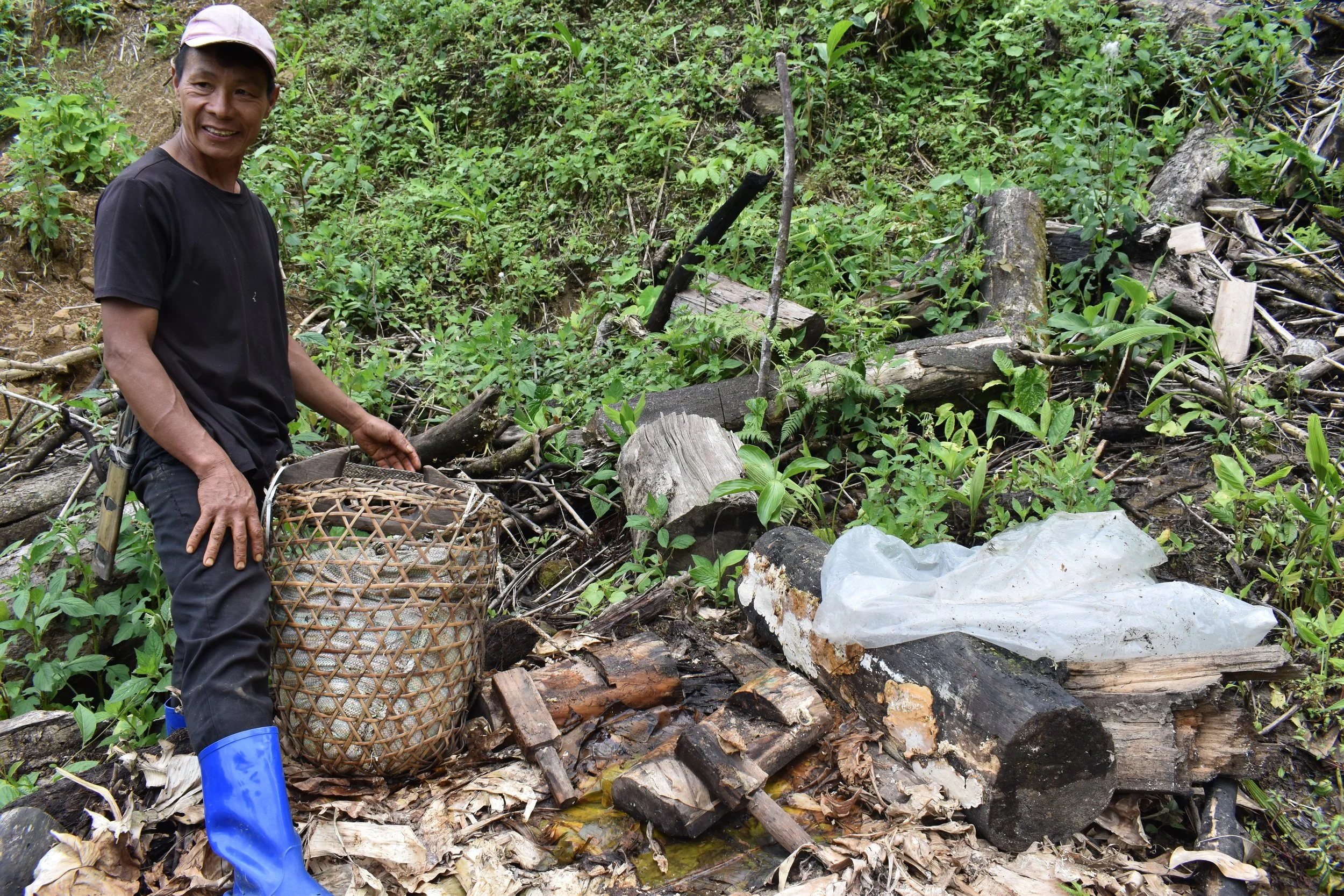
Mr. Yosaha Yobin is collecting his harvested Atheeh.
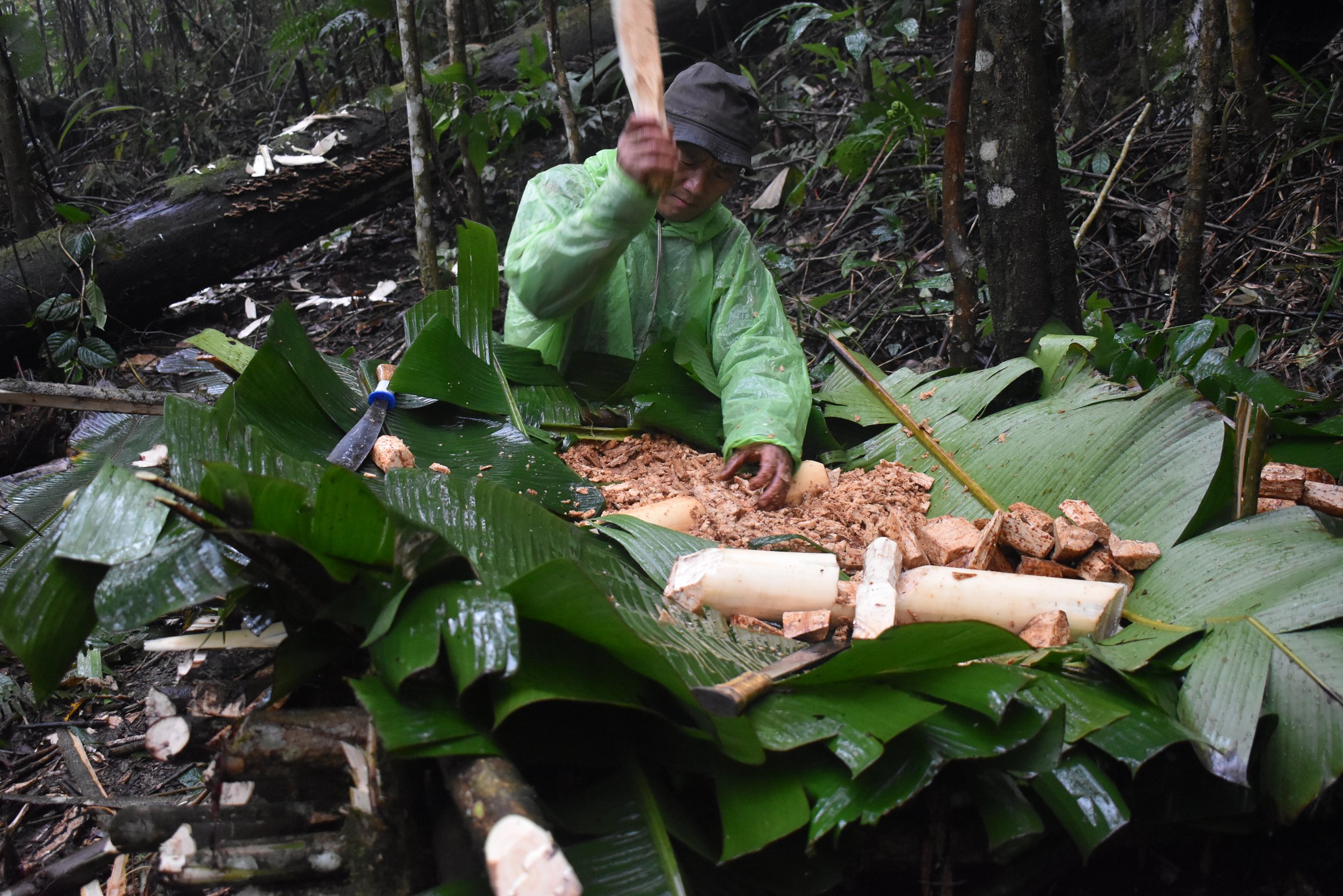
Mr. Tseyedi Yobin, the harvester, is smashing the tree fern pith.
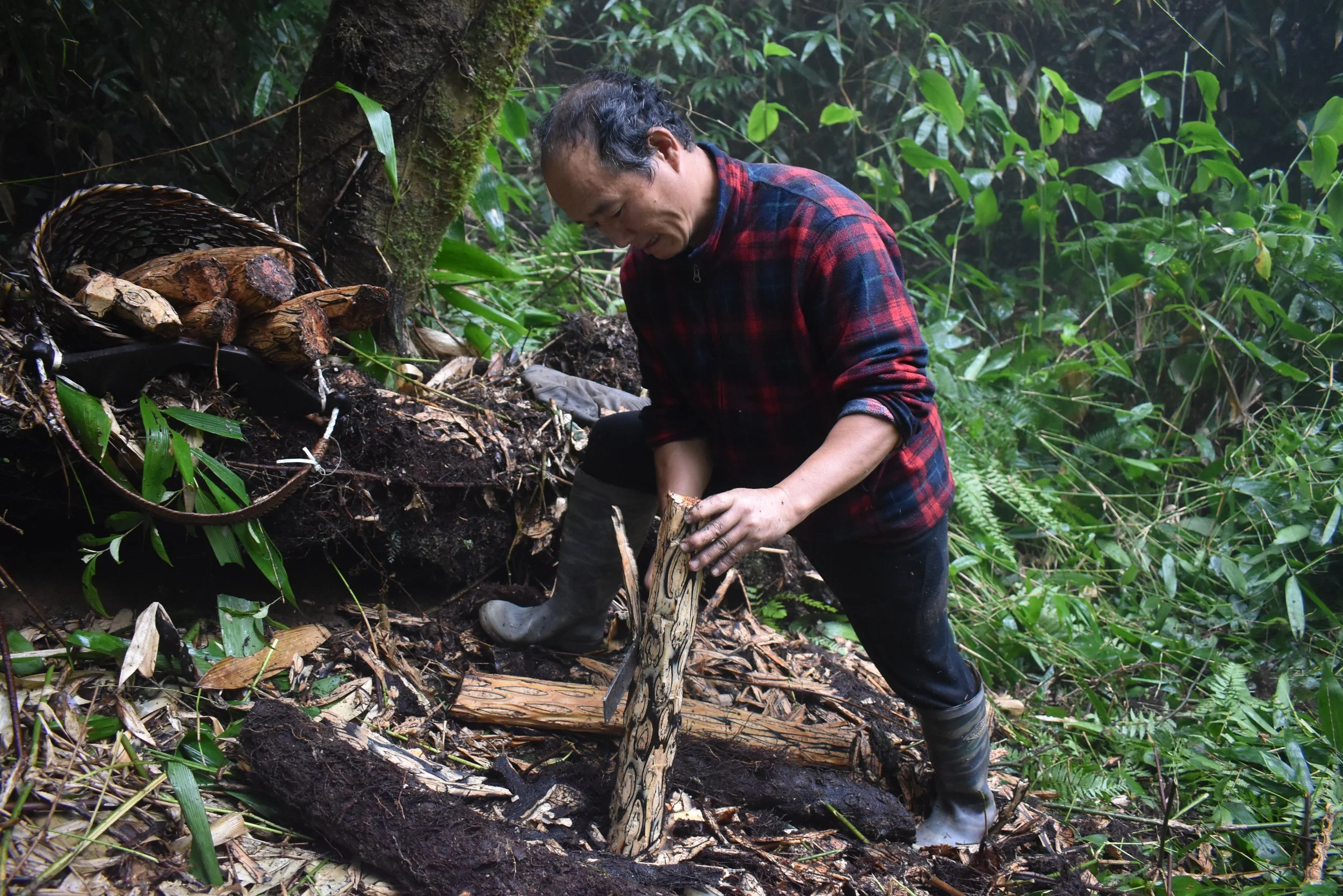
The harvester is peeling the first layer of the tree fern to prepare it for transport to the harvesting bed, where the cut tree fern will be processed to extract the pith.
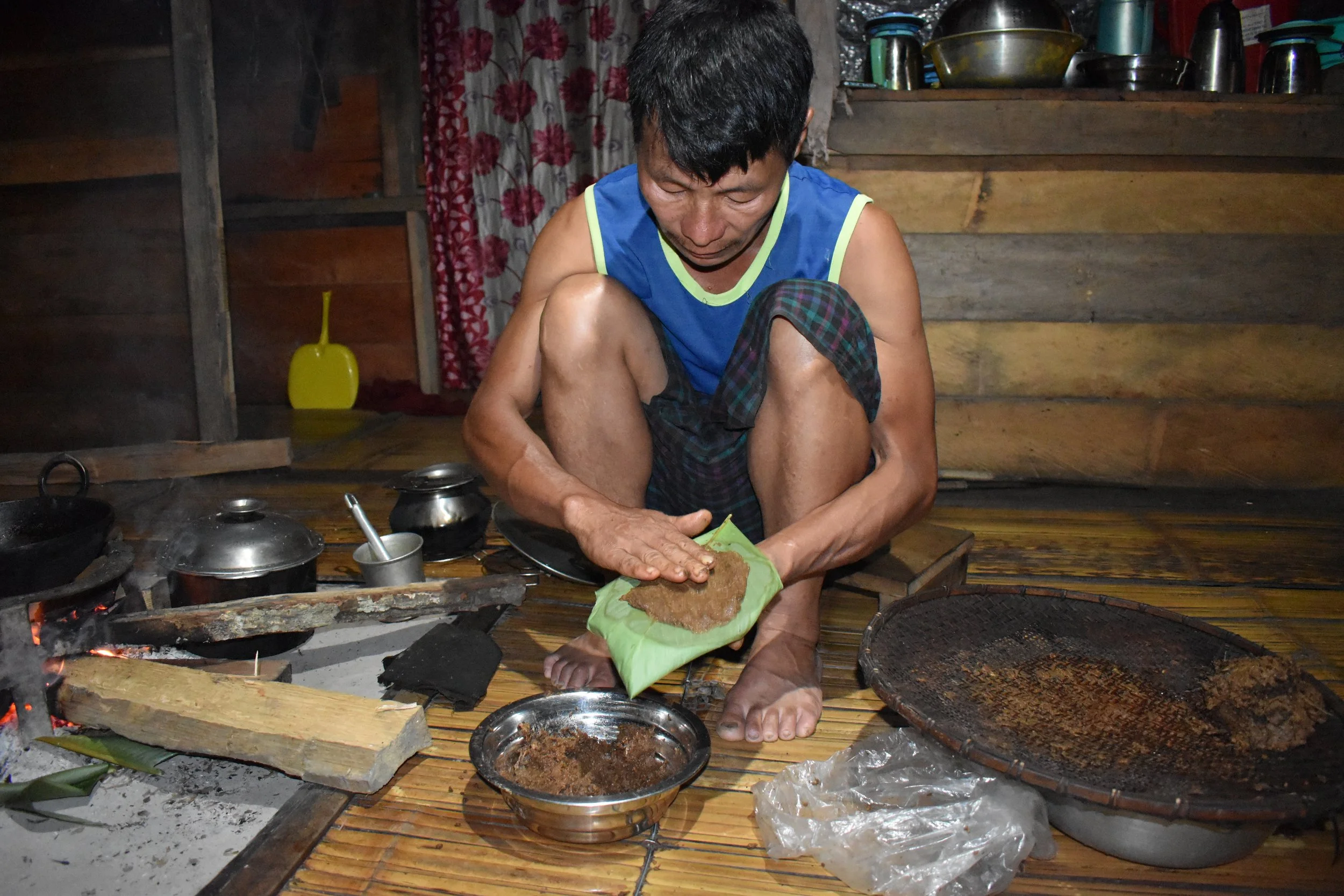
Mr. Yosaha Yobin preparing the Atheeh Naphu to be cooked at his residence in Hazolo Village.
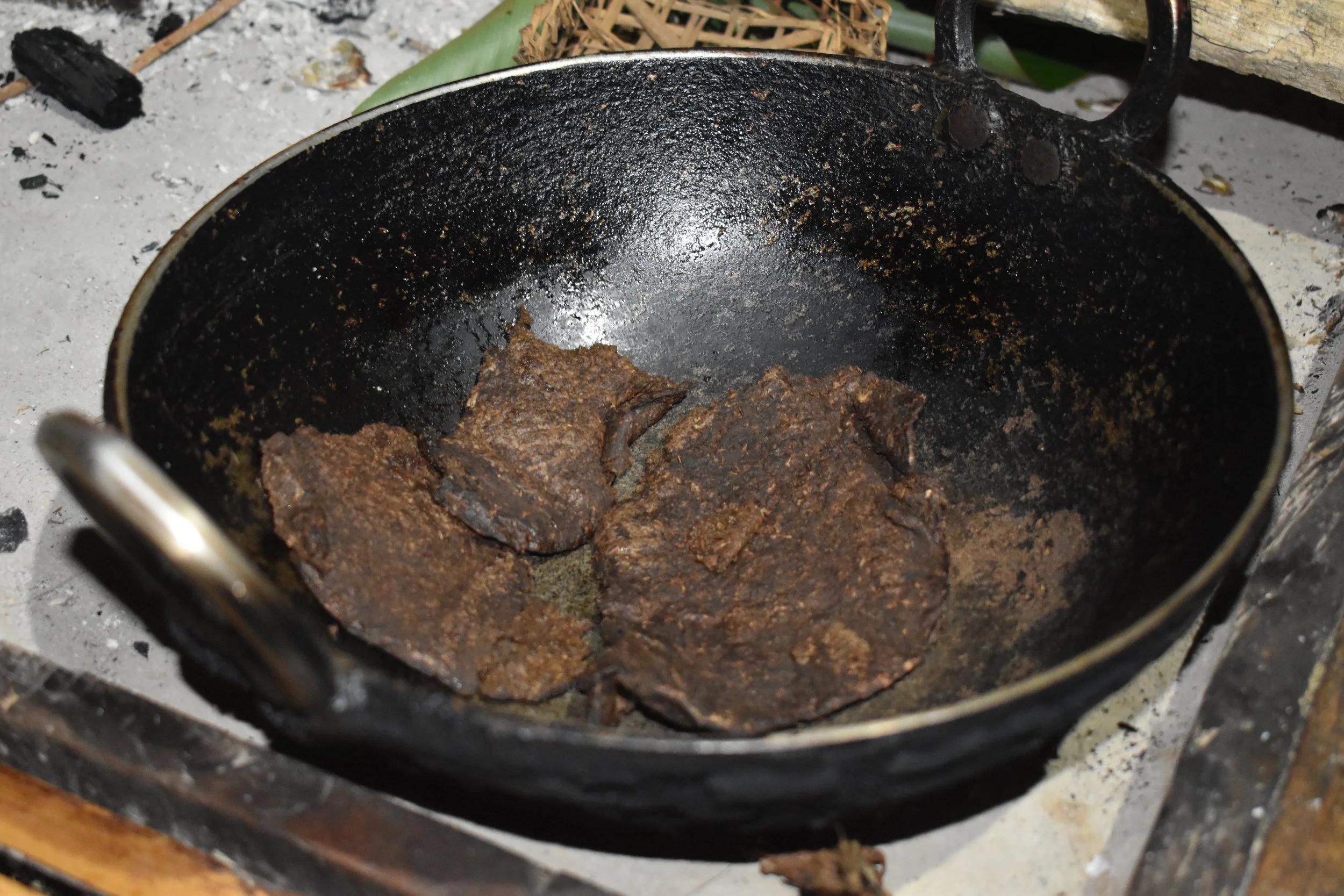
How the Atheeh Naphu (fermented fern tree chapati) looks after being fried without oil or any added ingredients.
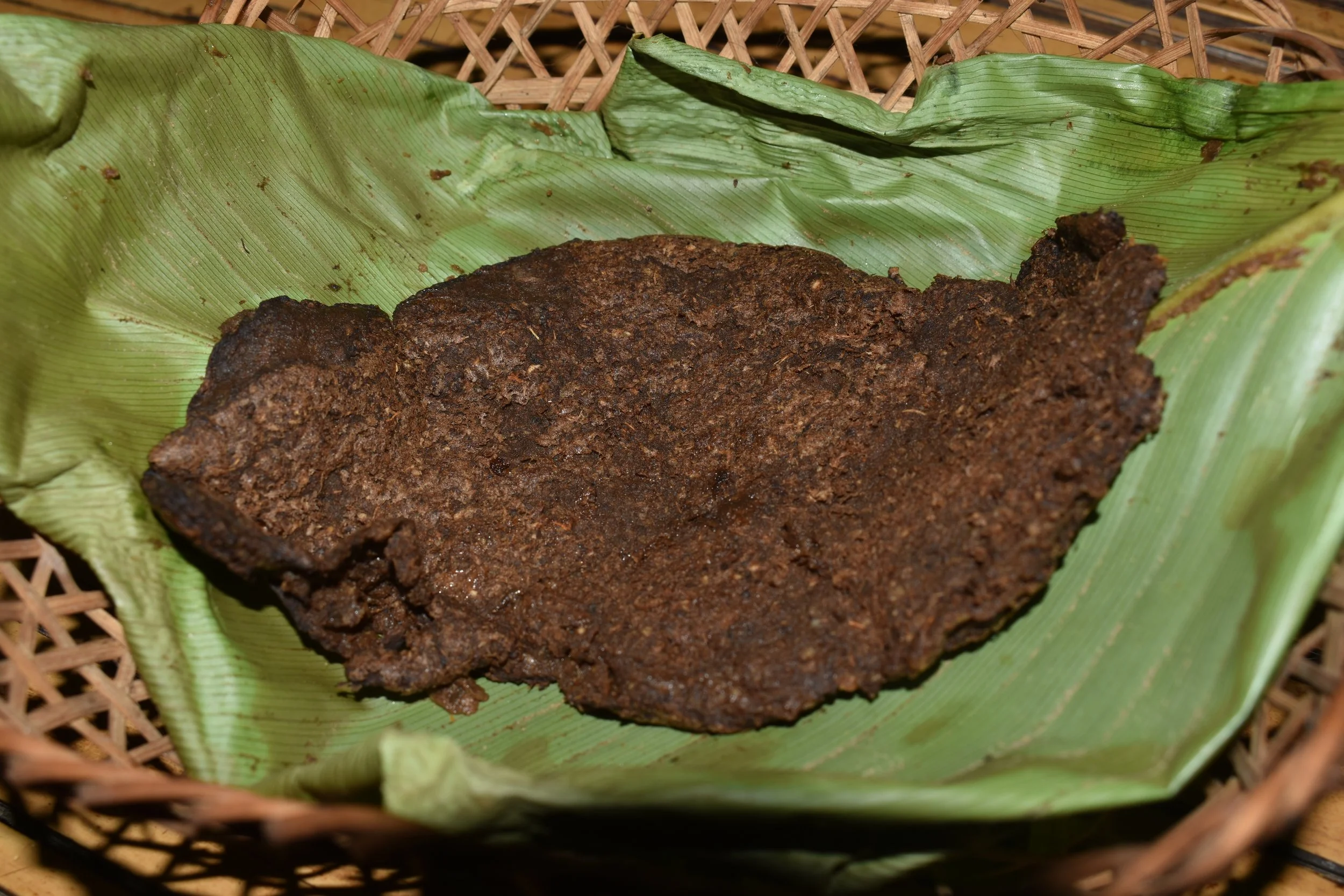
The Atheeh Naphu (fermented tree fern chapati) is elegantly arranged in a traditional Naphu-Sichey (where Naphu means roti/chapati and Sichey refers to a leaf) placed in a small, traditionally woven basket, ready to be served or eaten. Both the leaf and the basket are used during every special festival or occasion among the Lisu community.
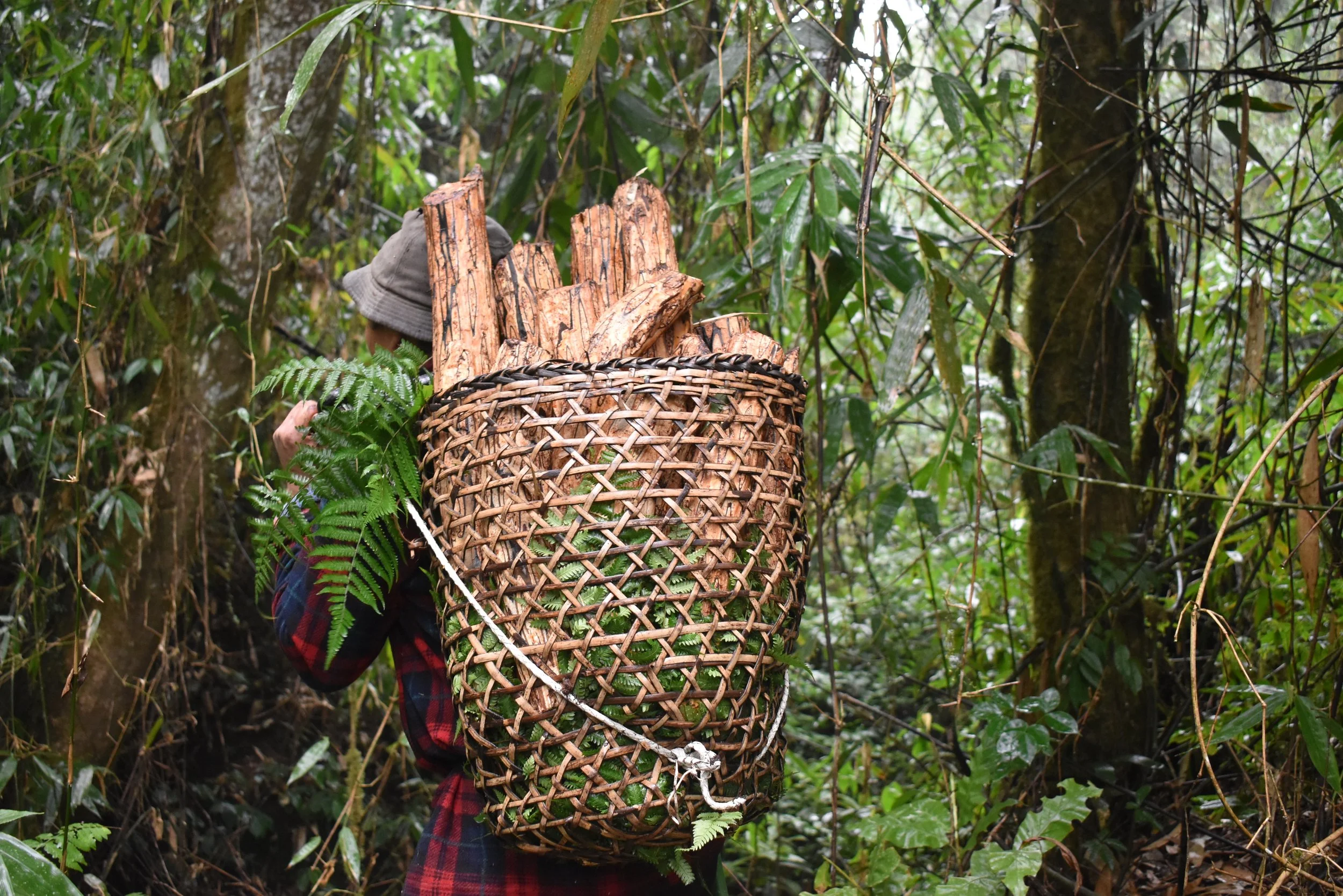
The harvester carrying a tree fern log with the first layer peeled, heading towards the harvesting bed.
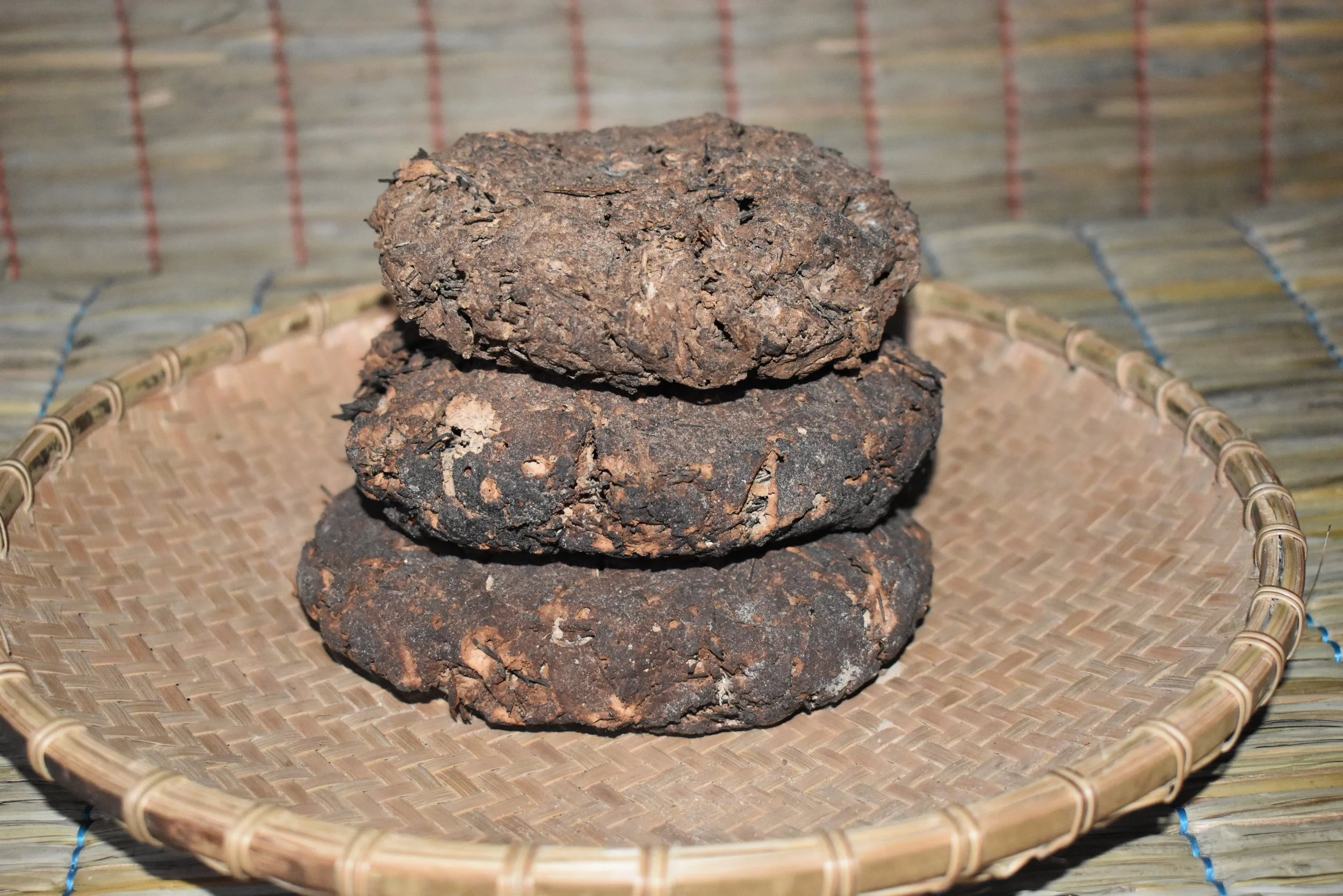
Dried Atheeh which are remnants of fermented fern after rubbing it to extract the desired Atheeh. These remnants are shaped into balls or rotis then placed on the Tajwe (a raised platform over the fire, found in every village house, used for drying various items). The villagers then take this dried Atheeh to a wooden mill to further process it into Atheeh flour. This flour can be eaten by steaming it on top of cooked rice or by frying it after sprinkling some water on the flour.