
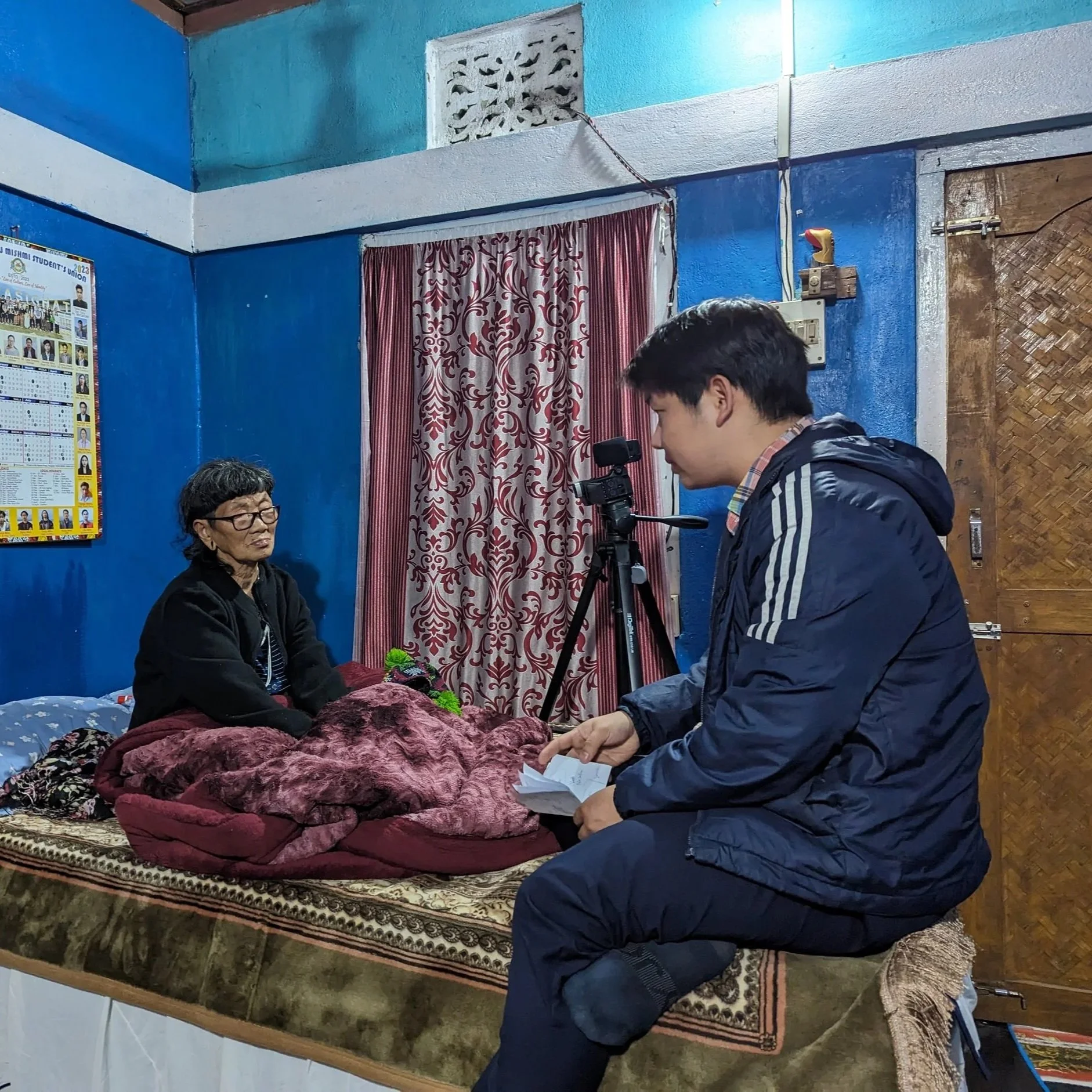
Tage Umbrey
Idu Mishmi Textiles
Idu (Mishmi) Community
Dibang and Lower Dibang Valley Districts and environs, Arunachal Pradesh, India and Zayü County, Tibet
The focus of this project lies in unravelling the intricate designs within the traditional weaving of the Idu Mishmi community. Delving beyond the aesthetic beauty, the project aims to unveil the historical narratives, myths, taboos, and trading relationships with the Adi and Assamese communities. Additionally, it meticulously documents the step-by-step process of traditional weaving, including the gathering of raw materials.
A pivotal aspect of the project is exploration of the diverse weaves tailored for distinct purposes—be it for males, females, or priests. The investigation extends to the gender roles in weaving, discerning whether the art is predominantly practiced by male or female weavers.
The urgency of this undertaking is underscored by the dwindling numbers of traditional weavers. Each passing day brings the community closer to the point where traditional weaving may become a mere reminiscence. Moreover, the rich history, myths, and taboos interwoven with the practice are at risk of fading into obscurity, given the diminishing number of narrators.
This collection, Idu Mishmi Textiles, is available to view at PARADISEC (login or sign up to view files in PARADISEC).
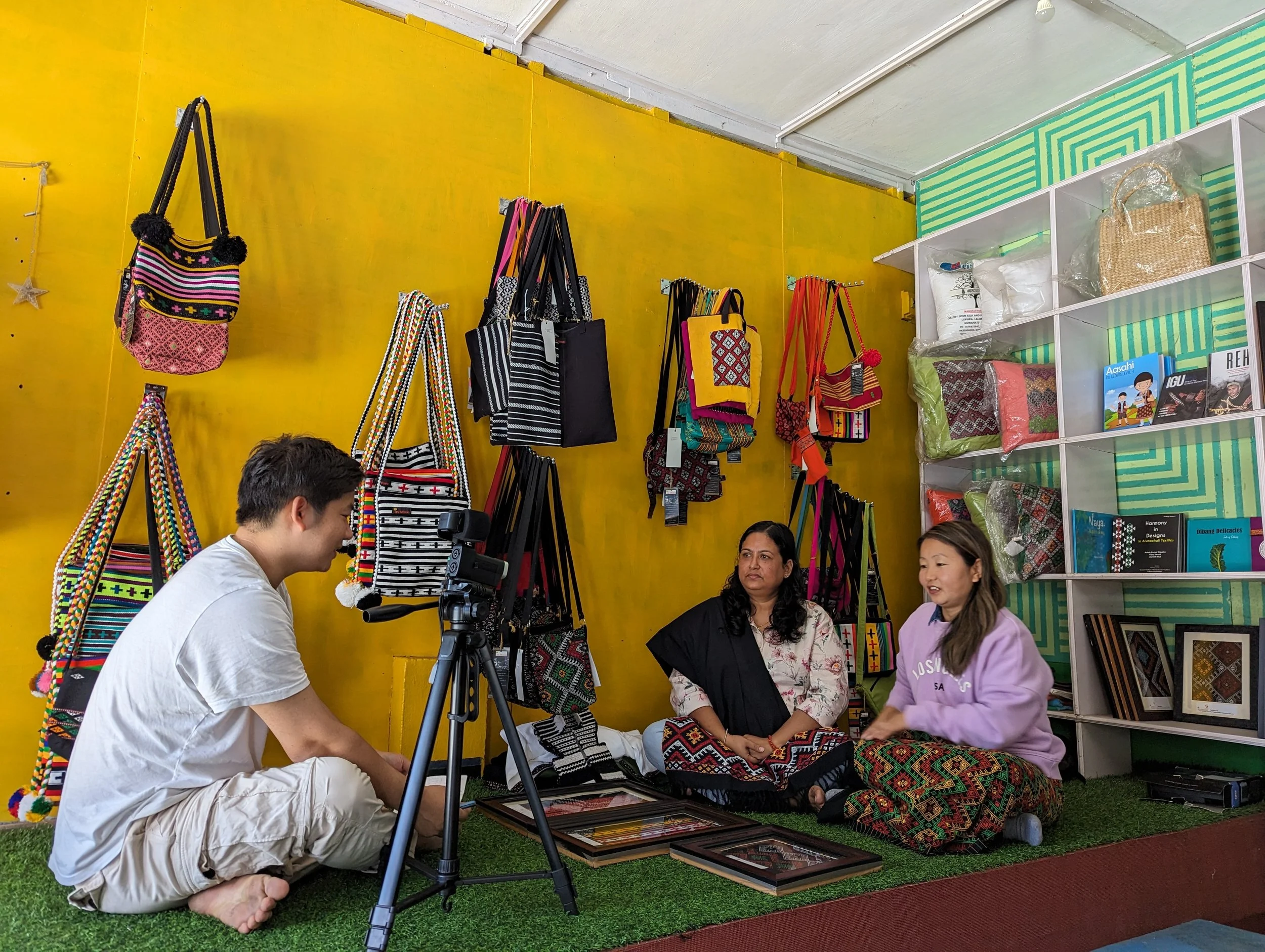
Tage interviewing Neharika and Athupi.
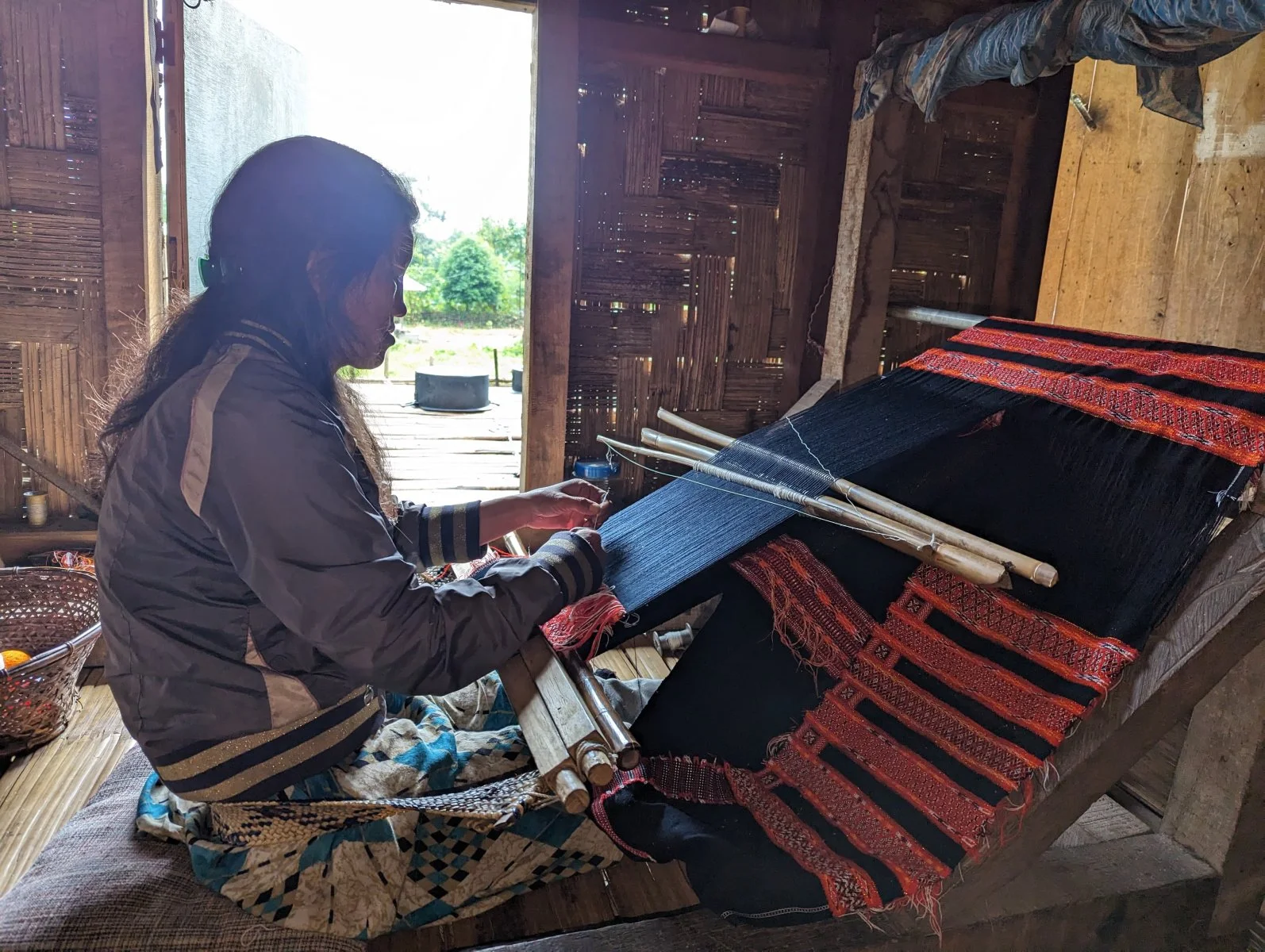
Ina Mena weaving on her loom.
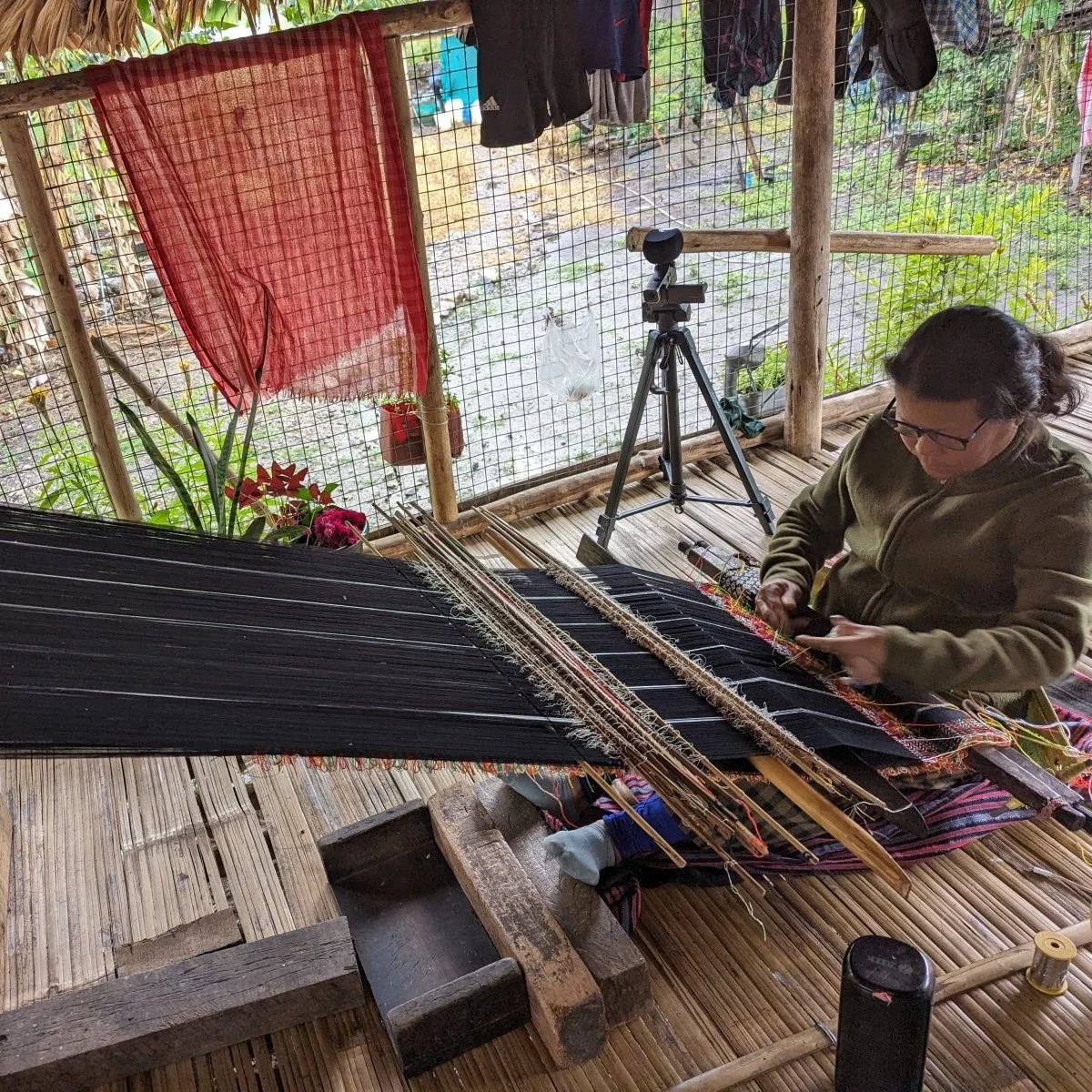
Mumiya Linggi weaving a Thuma.
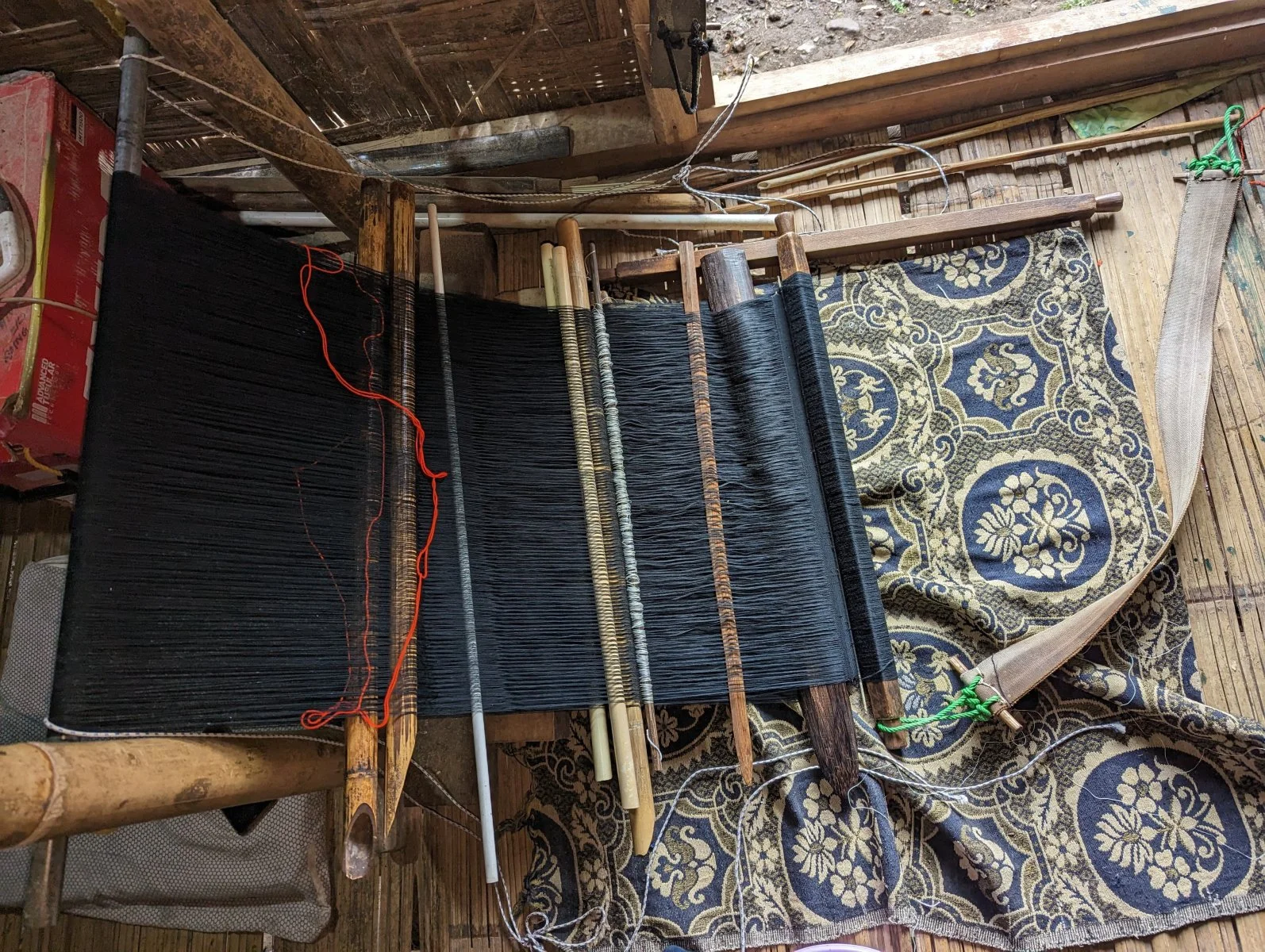
Heddles on a loom.
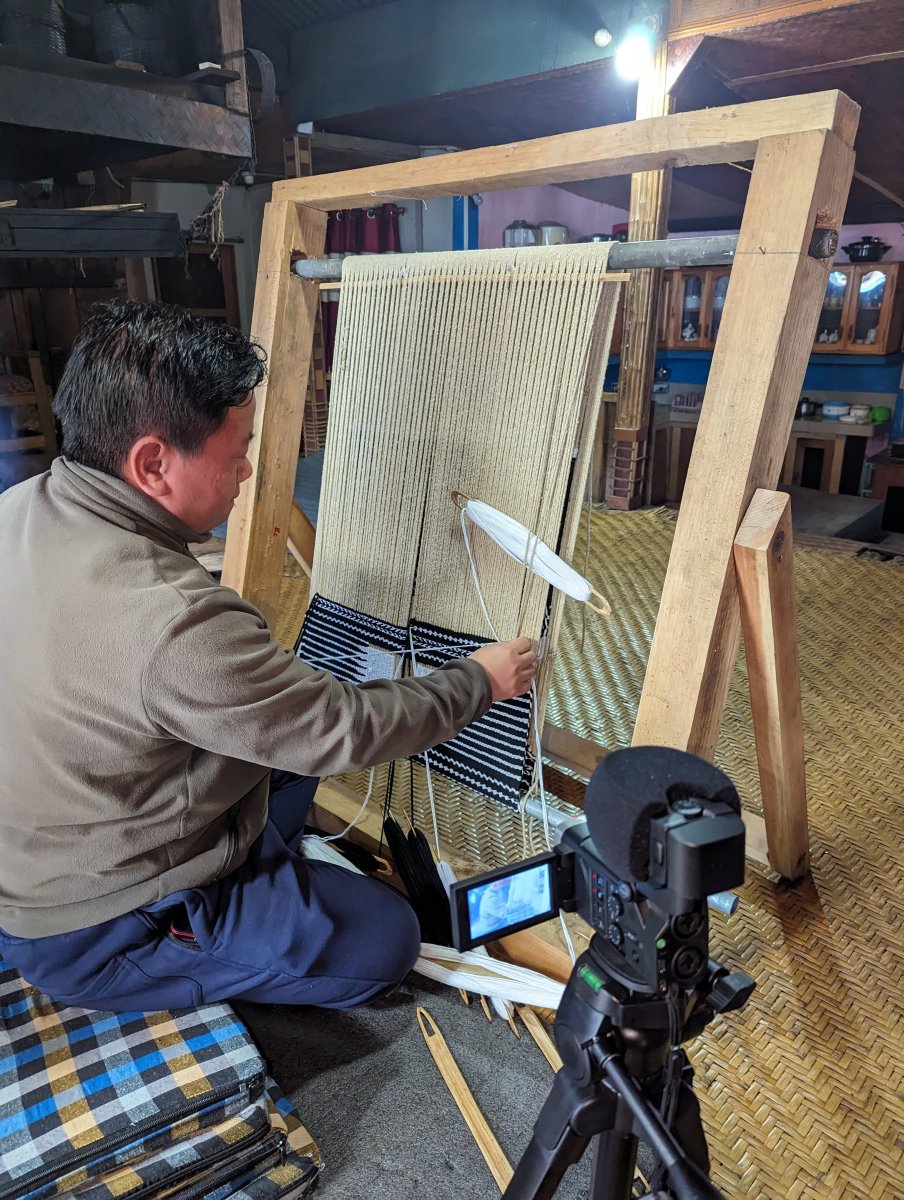
Thingo weaving a Etondre.
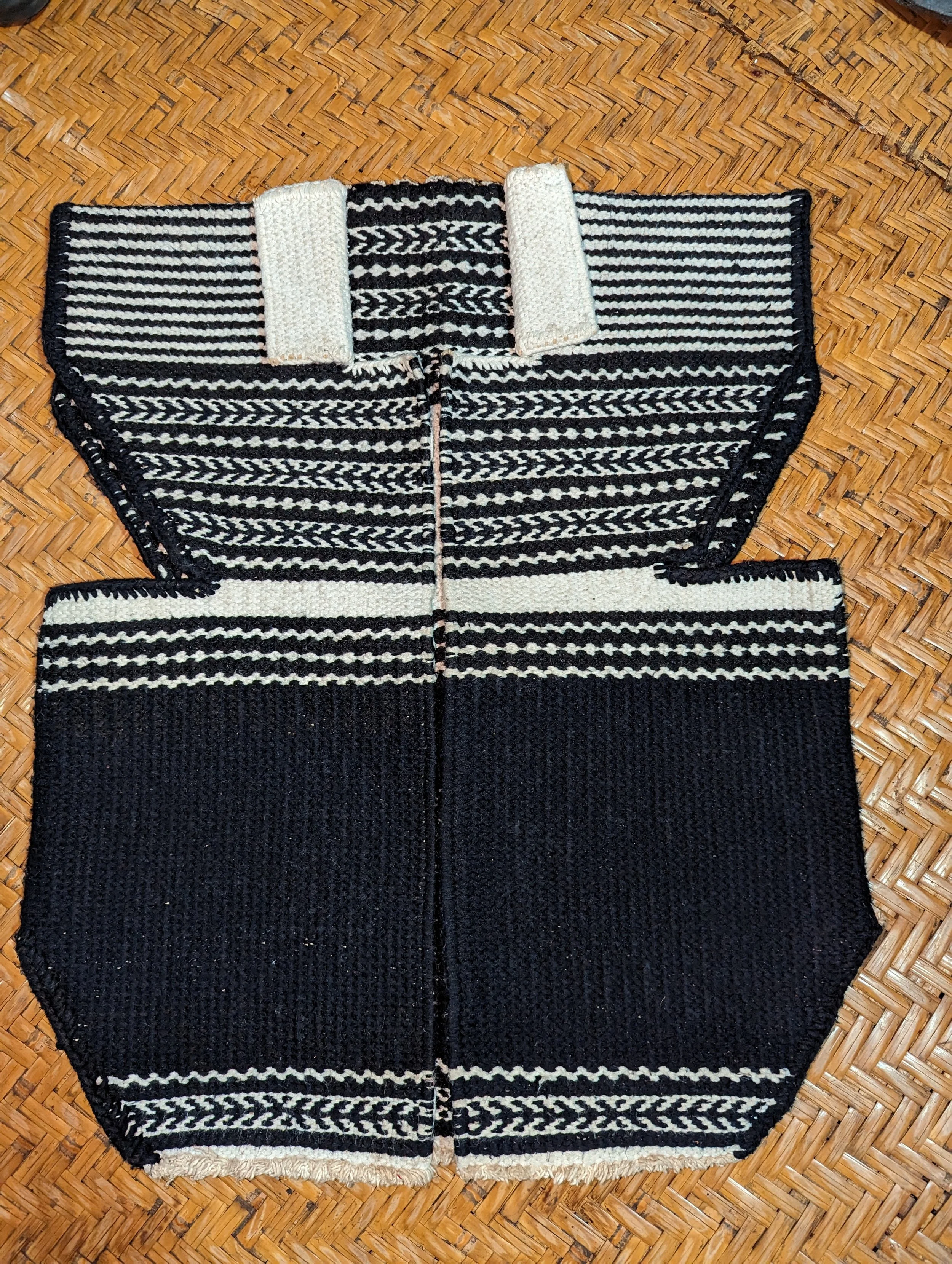
Front view of the Etondre (a woven vest).