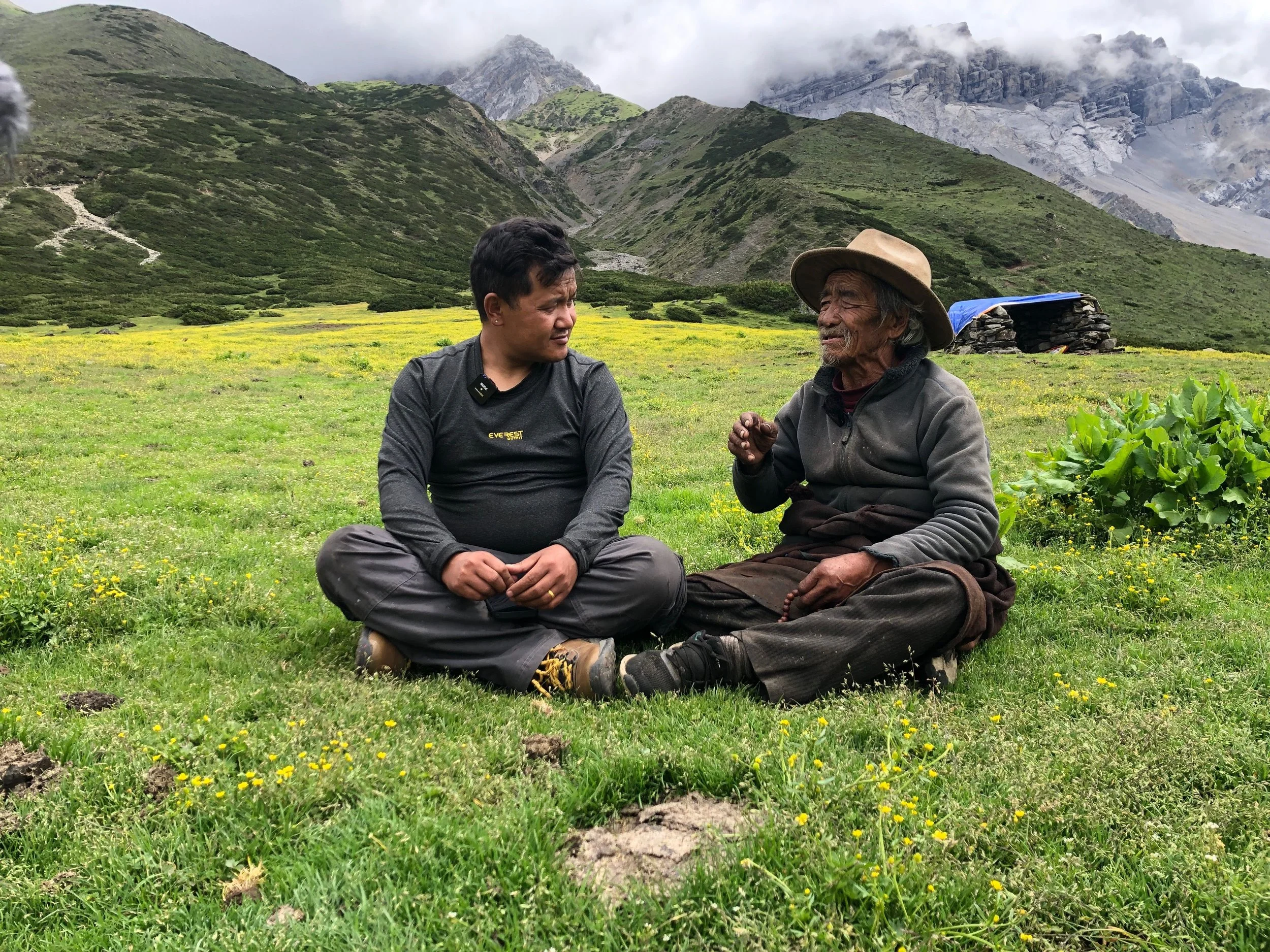
Tanzin Gyalzin Lama and
Ngawang Choedak Lama
Accounting system of a semi-nomadic community in the Upper Tsum valley of Nepal
Tsum Community
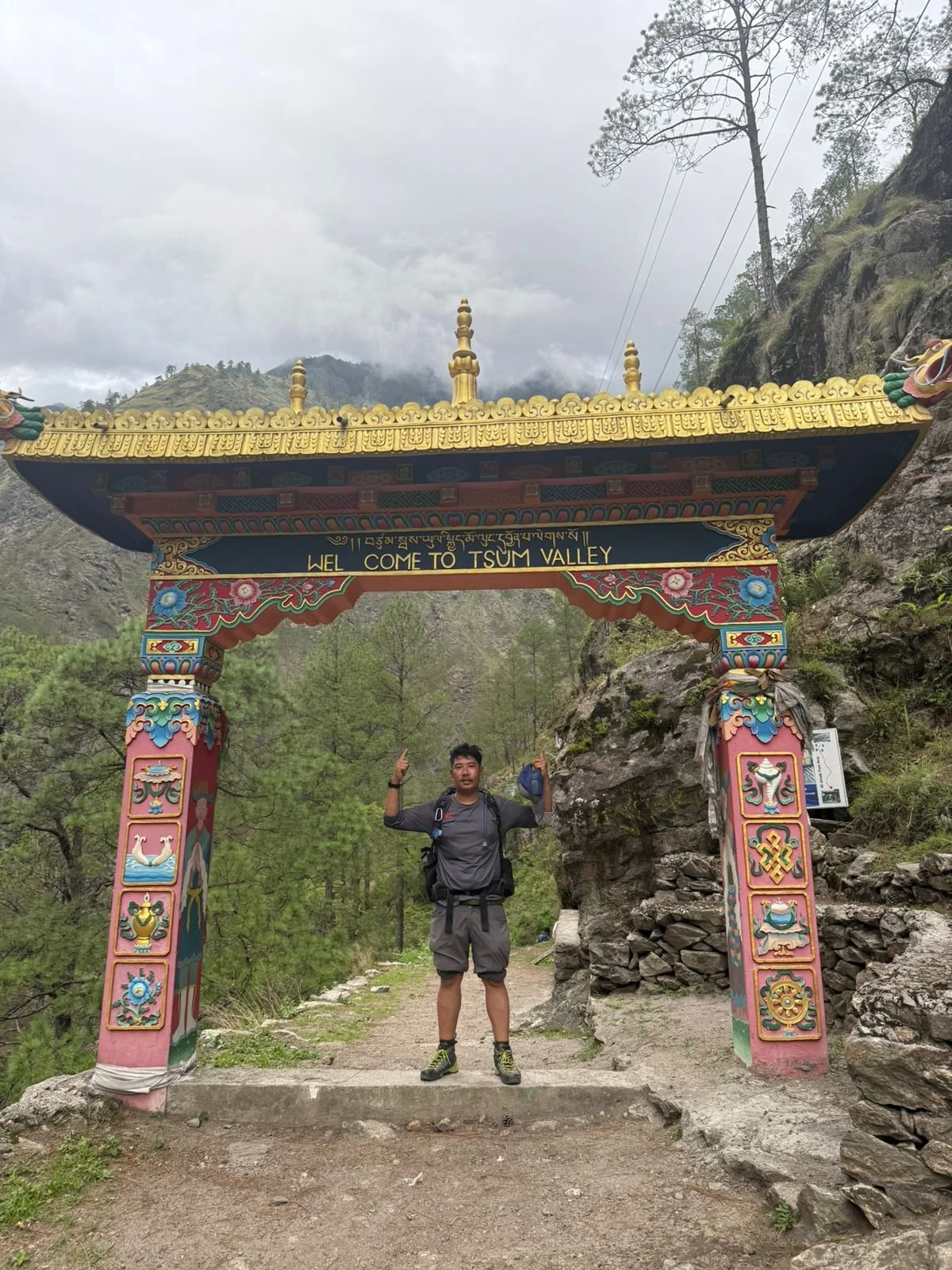
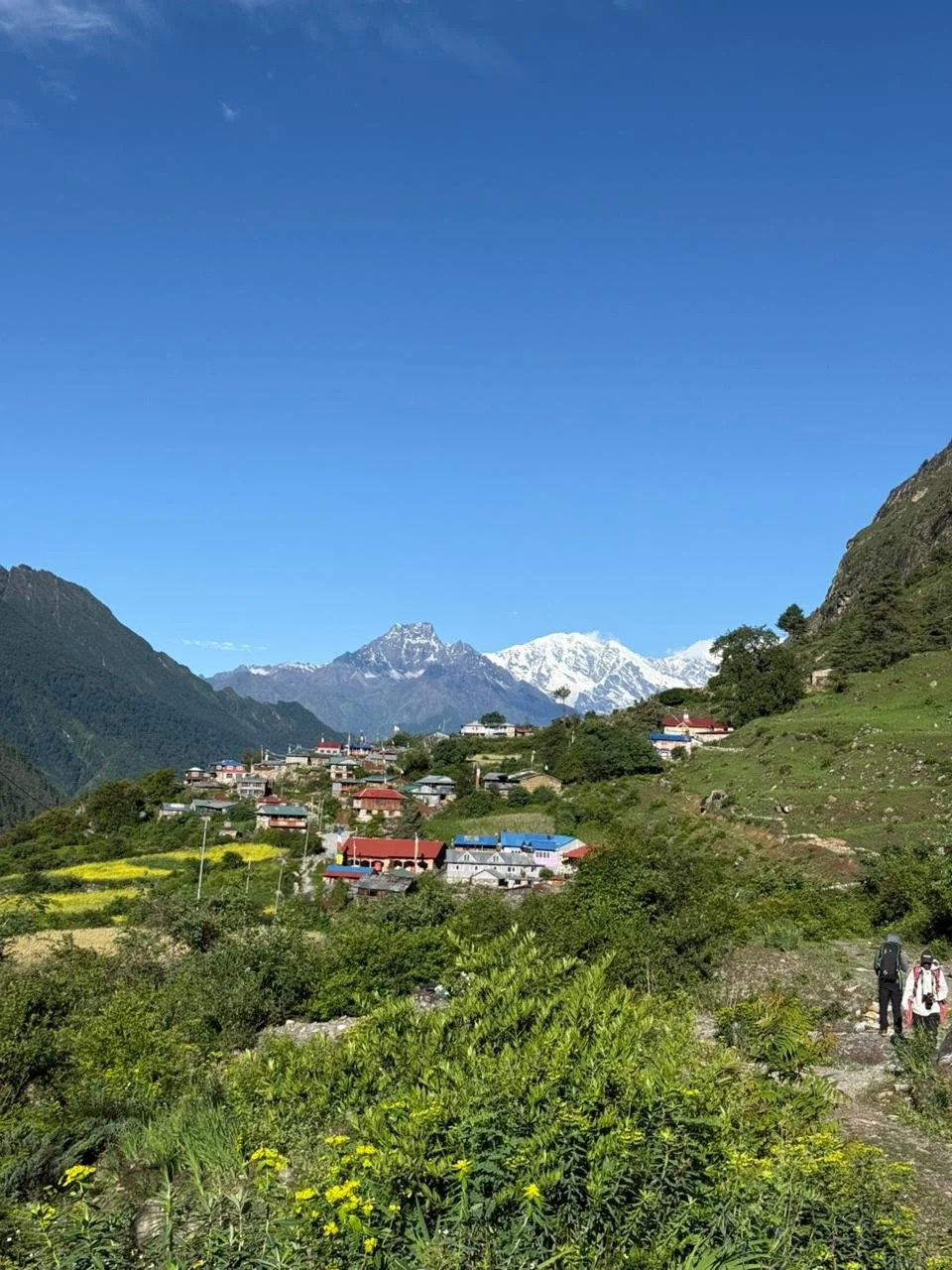
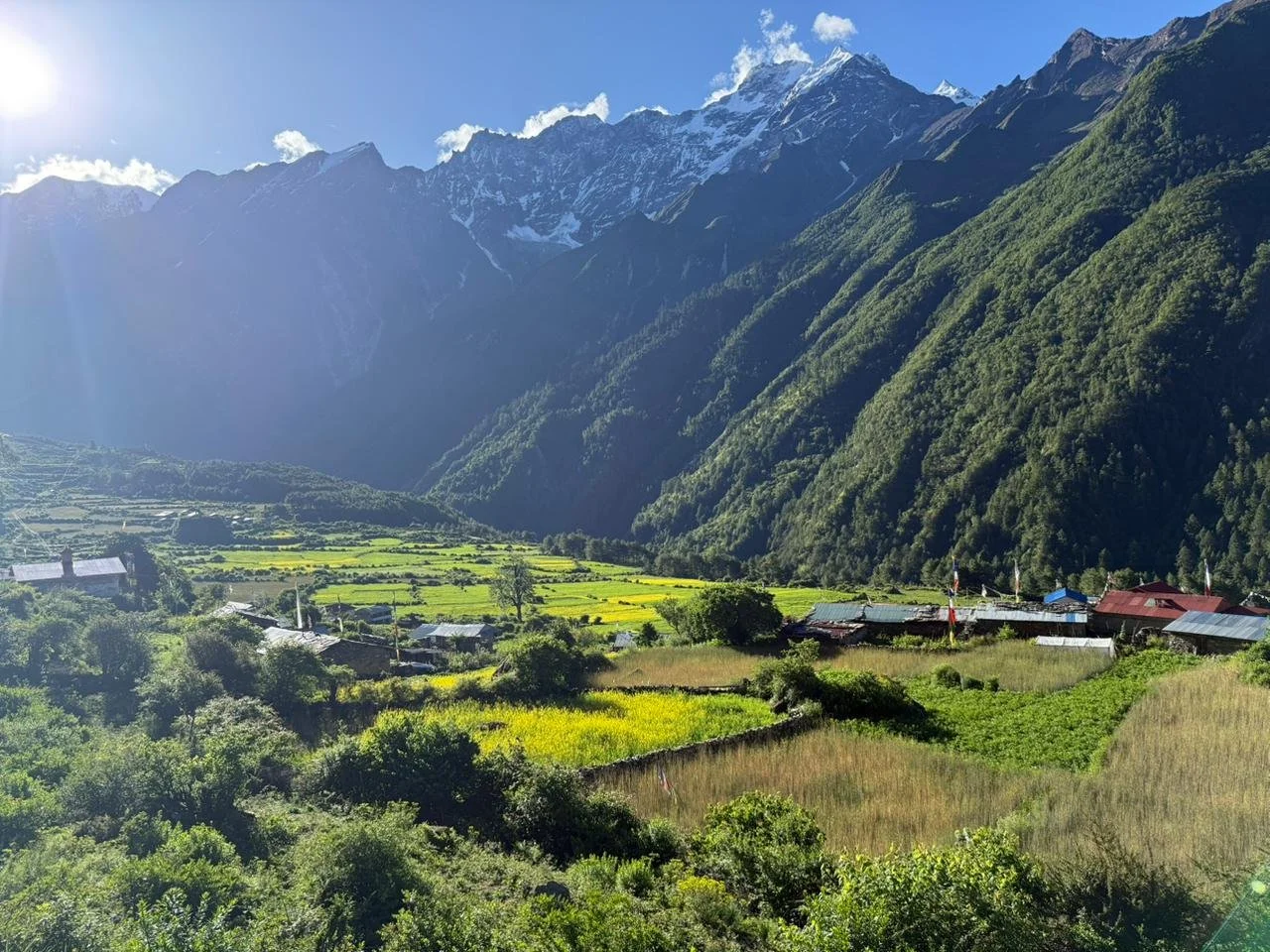
Upper Tsum villages, Chumnubri, Gorkha, Nepal
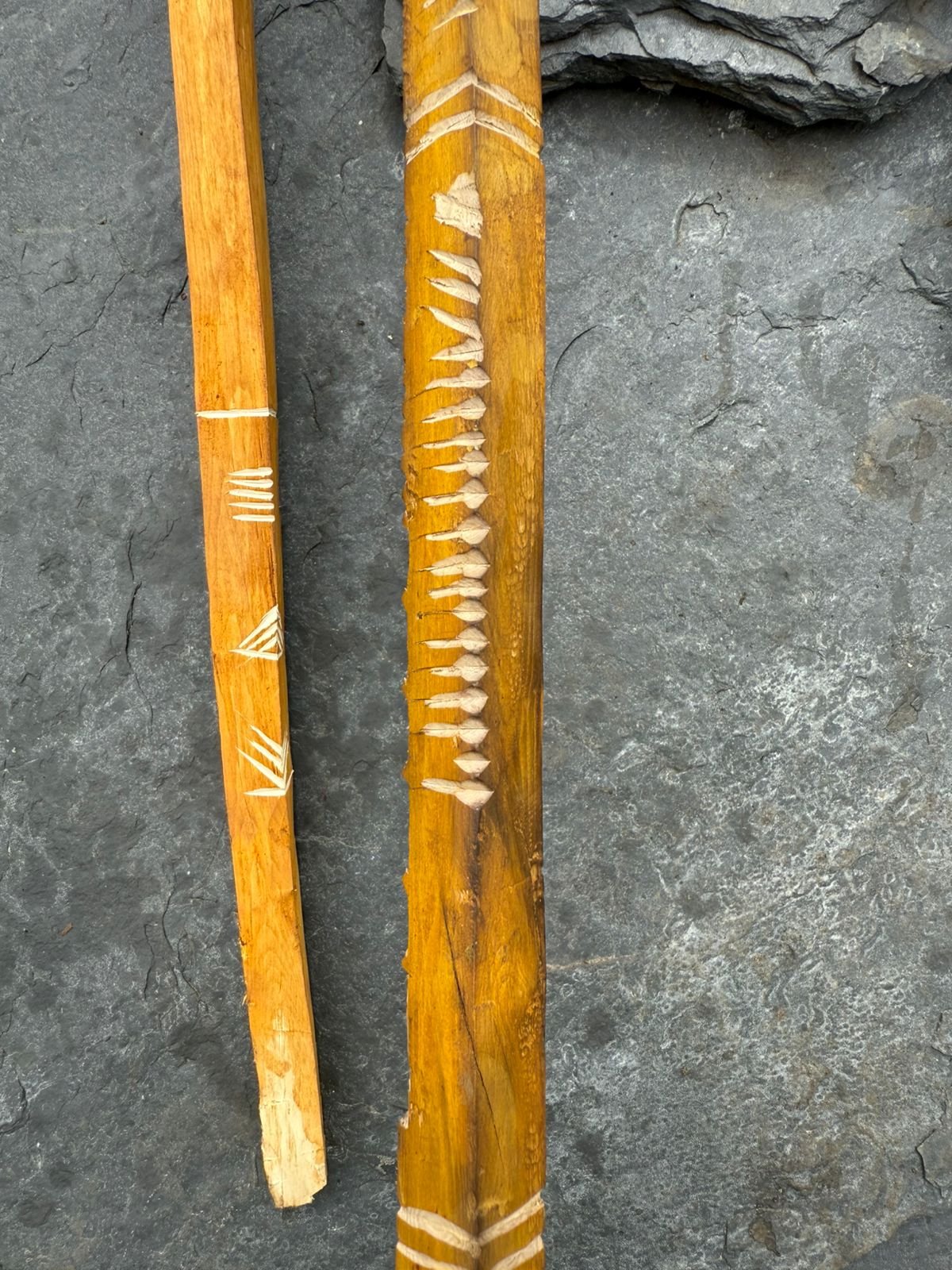
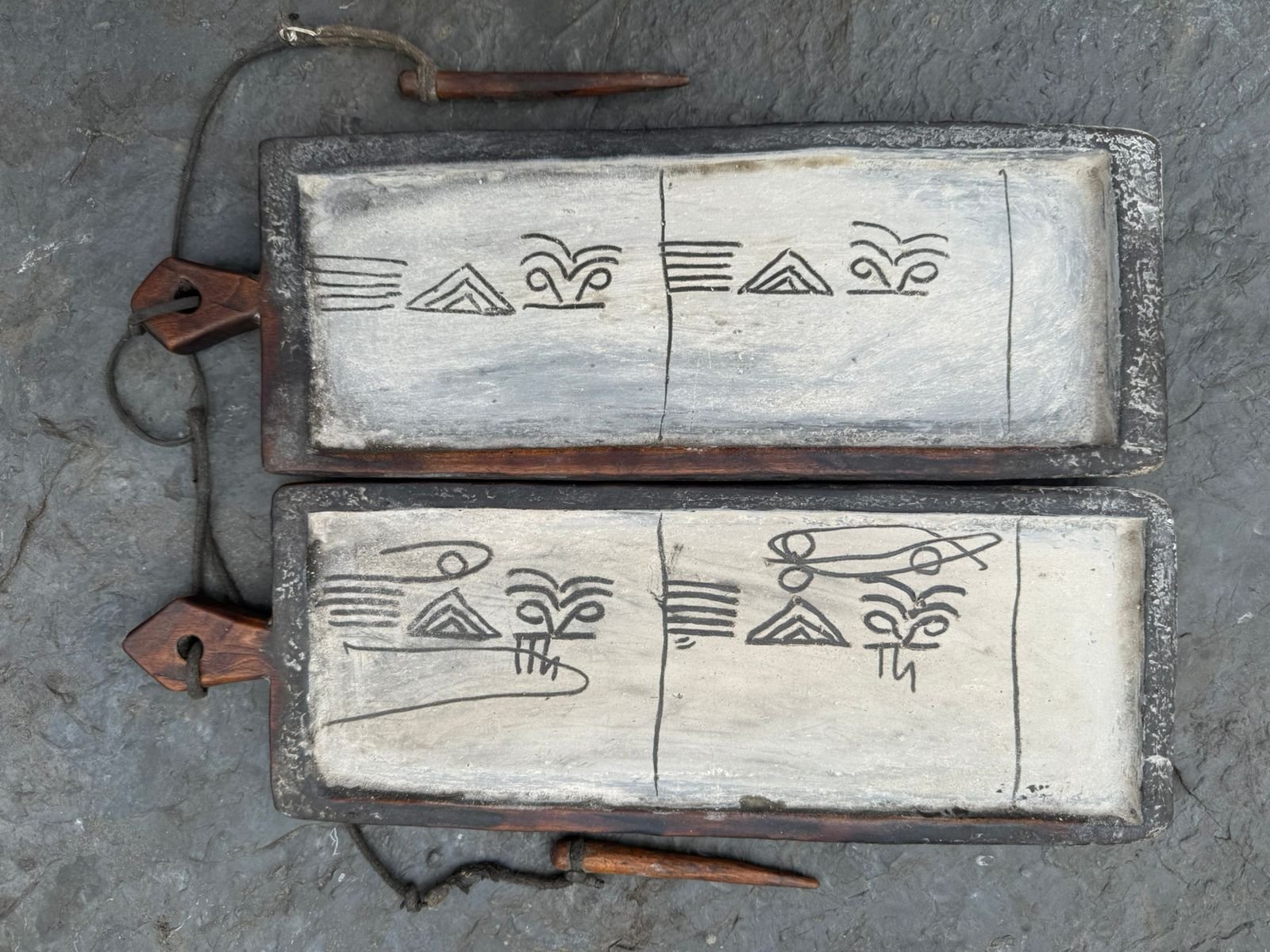
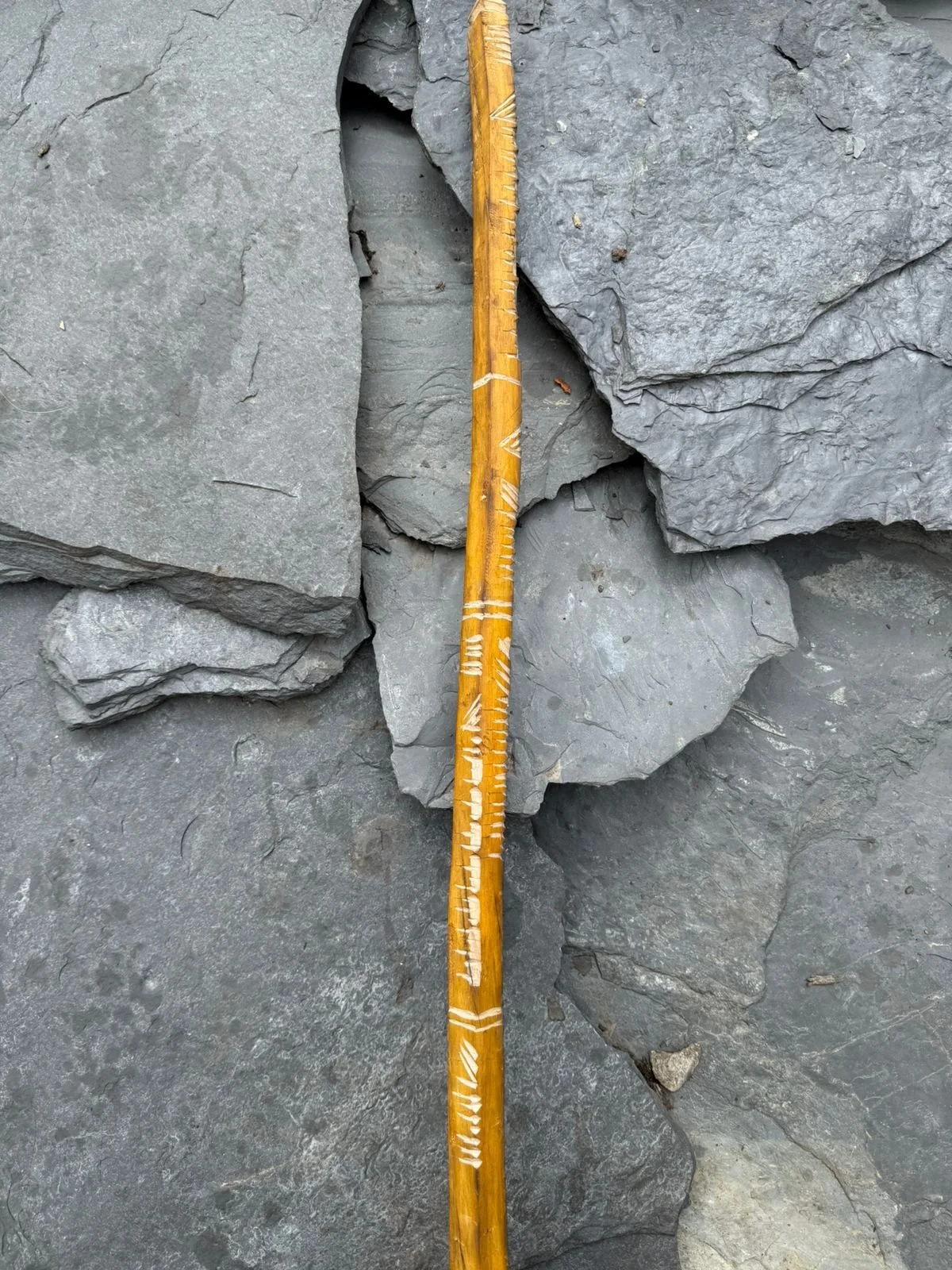
This project documents the traditional accounting system used by semi-nomadic herders in Tsum, Nepal. The local nomadic culture is community-based: individual herders do not own all the cattle. Instead, households from the village send their yaks and gho (female yaks) to the herders, who care for the animals during a three-month summer/monsoon camp at elevations of 4,000-5,400 meters near the Tibet border. In exchange, households pay the herders a fixed amount of wheat per animal, differentiated by milking and non-milking status. Herders maintain daily records of milk yield from each animal. They process the milk into ghee and cheese, then distribute these products to the cattle-owning households in proportion to the milk contributed. Since the herders have no traditional writing system for their language, they have instead developed a unique system of traditional symbols to track daily and monthly totals of milk production, ghee, cheese, and distributions.
Tsum’s semi-nomadic culture is rapidly disappearing. The work of animal herding is extremely demanding, requiring a residency of three months at high altitudes, and many people of younger generations tend to be unwilling to continue it. As a result, only a few elders still know and practice this symbolic accounting system, making it a highly endangered form of traditional knowledge. Documenting and archiving this knowledge before it vanishes entirely will preserve a vital part of Tsum’s cultural heritage for future generations.
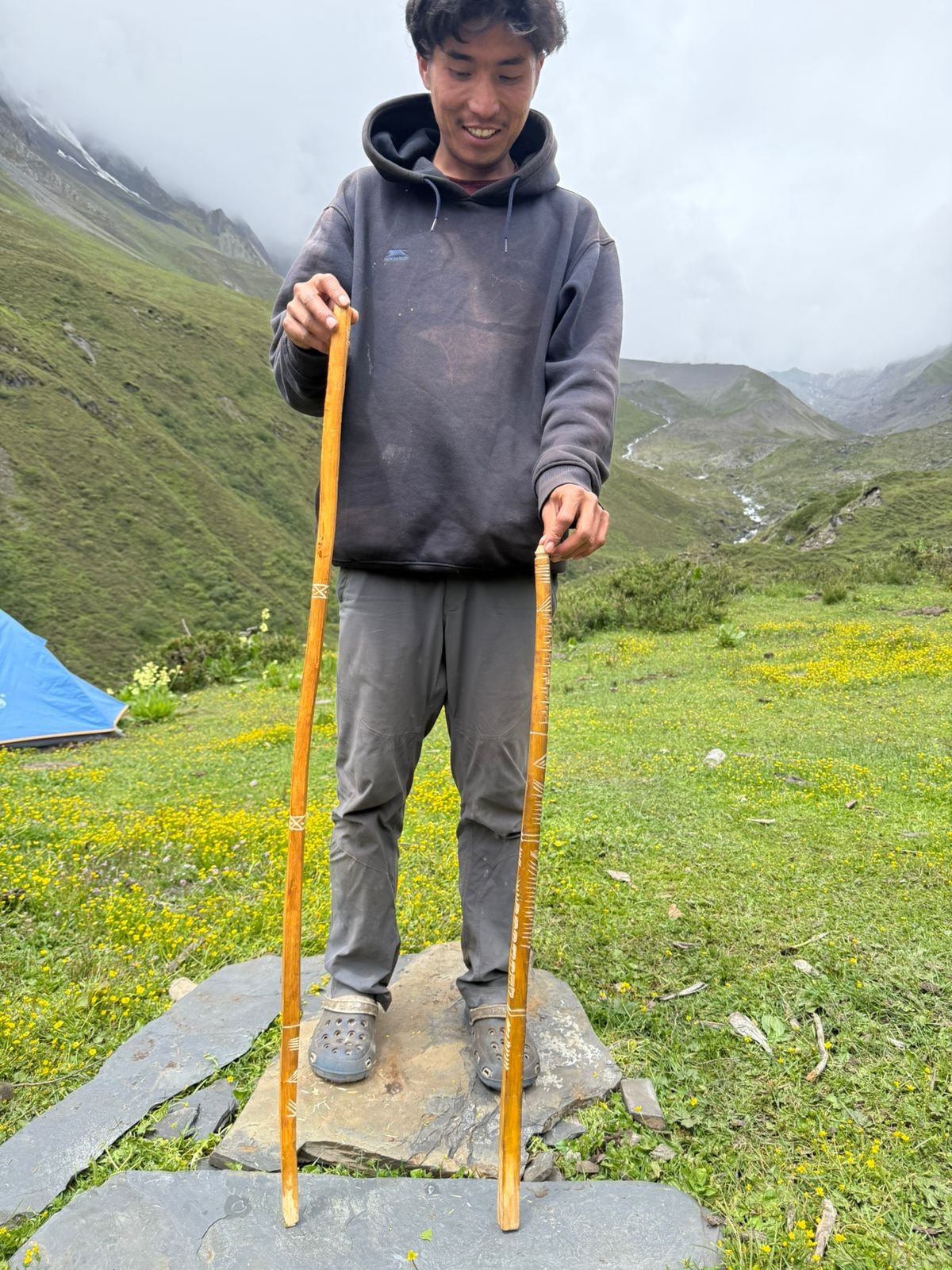
Traditional wooden tally stick used by nomads to keep track of their transactions.
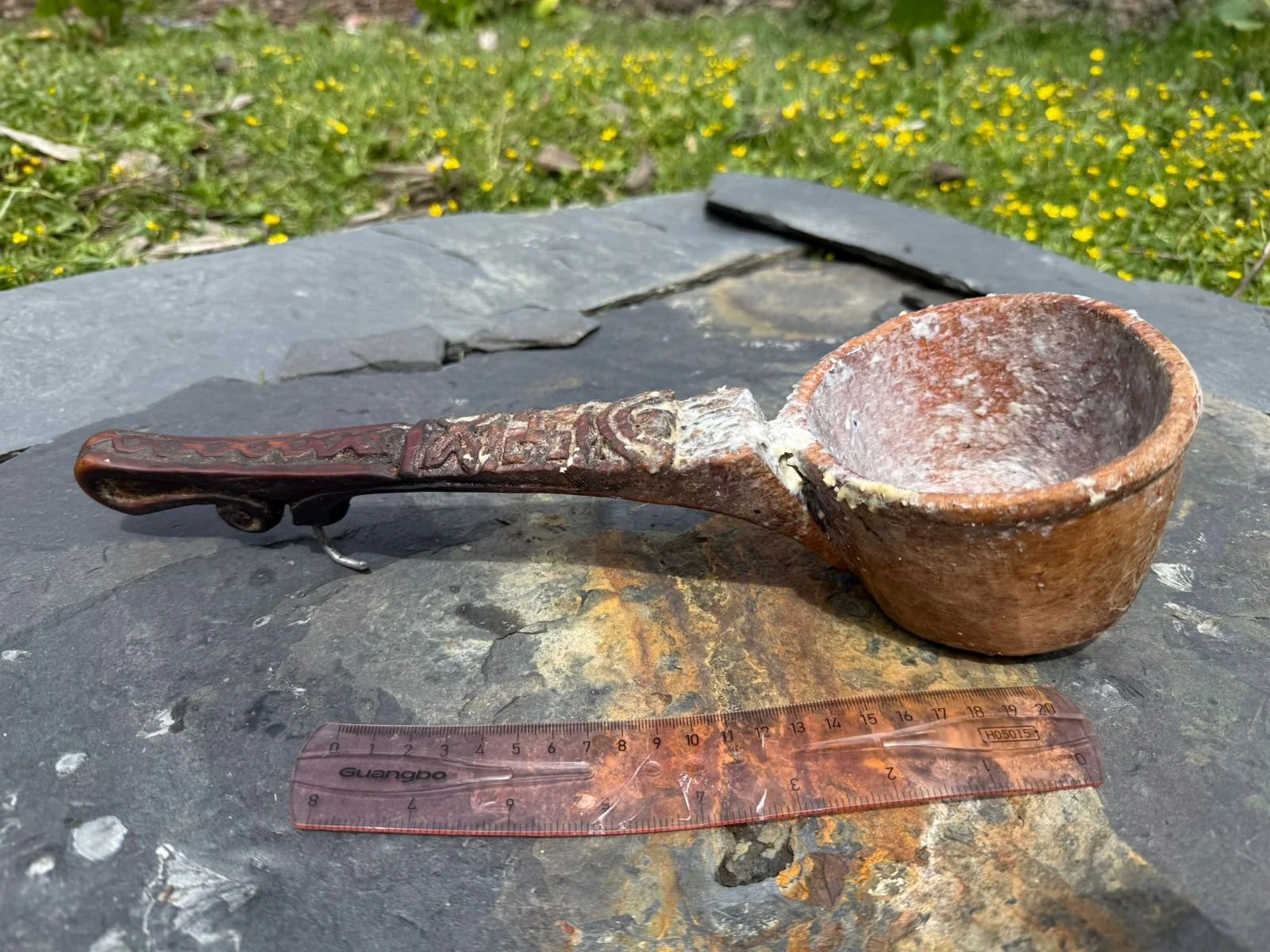
Kazar: the main tool used by nomads to measure milk.
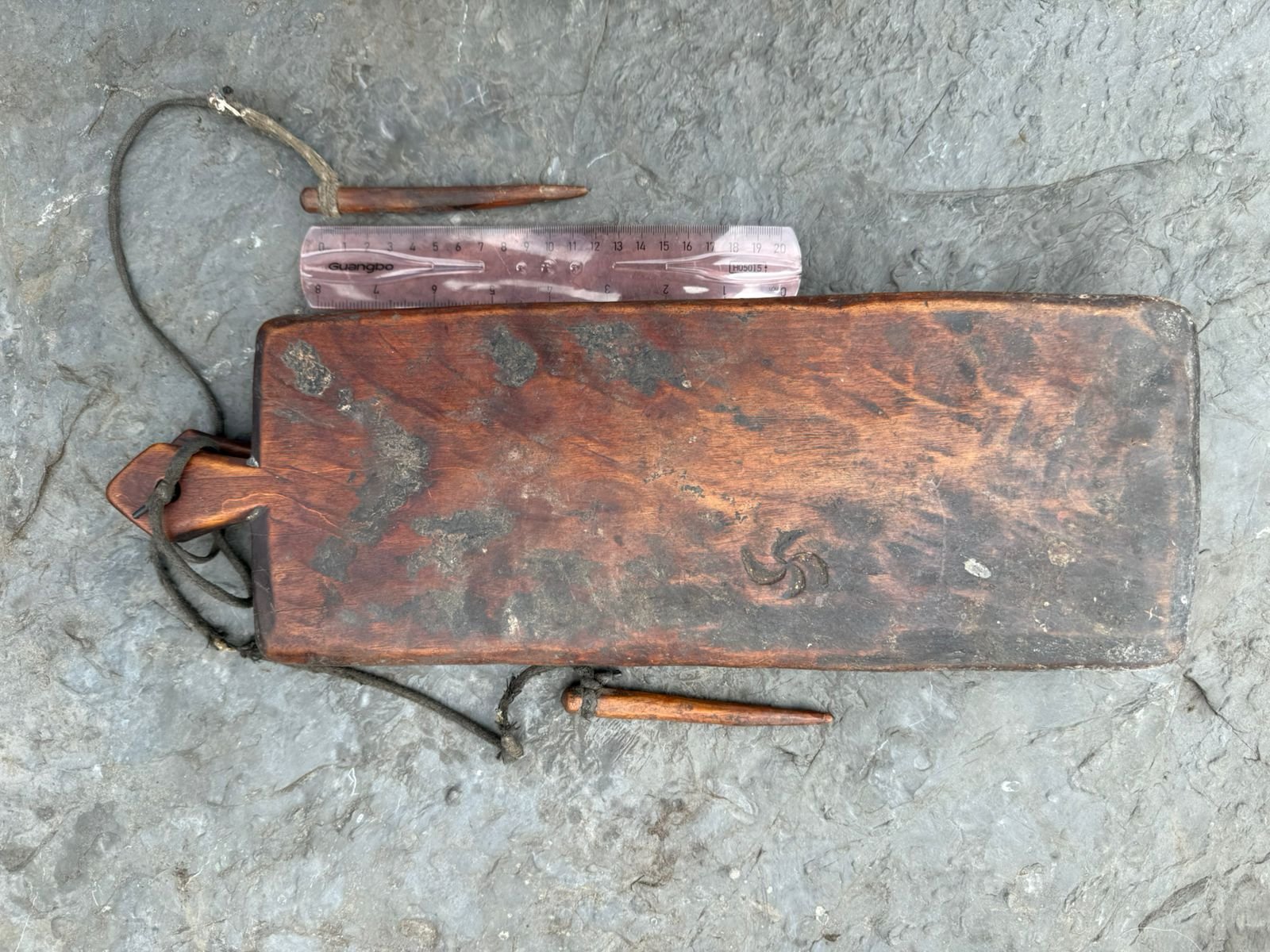
Tools made of wood used by nomads to keep their accounts.